This is Hamamoto from TIMEWELL.
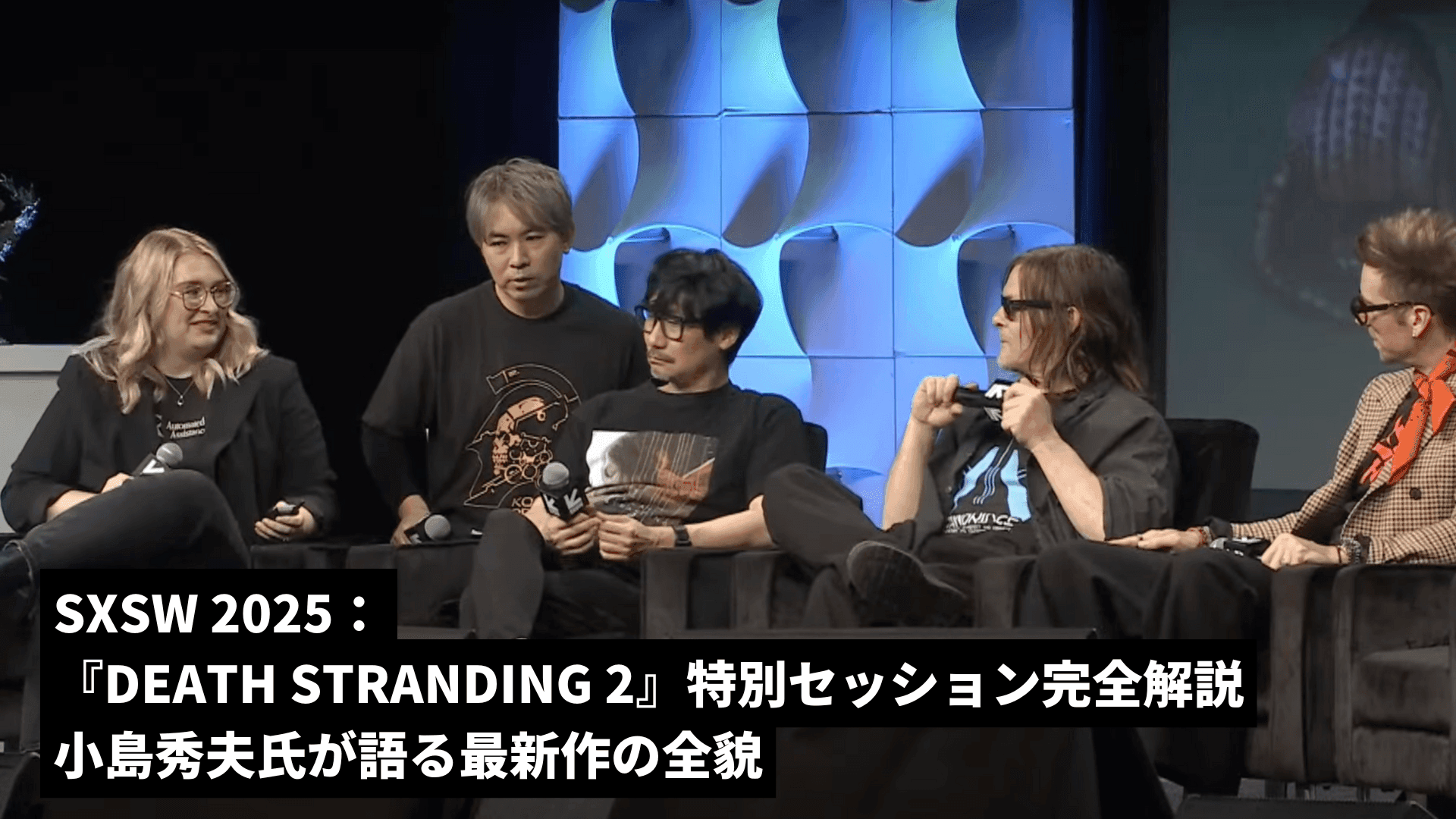
The following is a session report from SXSW. The talk session centered on club culture, music, and the creative process behind a television production — with speakers sharing personal stories about how music shaped their lives and how the show was made.
Club Culture and Identity
One of the speakers opened with a personal account of her experience with club culture in Texas. Her framing was striking: dancing in a club is not trivial recreation. It was, for her, revolutionary — the experience of being in a space defined by music, where movement and expression were the primary language.
She and her collaborators have deep familiarity with music history and the culture that surrounded it. That knowledge is not incidental to the work — it is the foundation from which the storytelling grows.
Looking for AI training and consulting?
Learn about WARP training programs and consulting services in our materials.
The Creative Process in Music Production
The speakers discussed what it actually takes to produce music for a show like the one in question. The process is time-intensive and demands precision: setting tones, managing the spatial and sonic elements, building the texture that makes a scene feel genuine rather than performed.
A recurring theme was the importance of tempo variation — the conscious choice to change pace within a piece rather than maintaining uniform energy. This kind of choice is where the drama in music lives. Knowing when to build and when to pull back is the skill that separates music that moves people from music that merely accompanies a scene.
Behind the Scenes: Specific Episodes
The session included several specific examples of how episodes were built. Producers and writers described scenes that required weeks of preparation — particularly the live performance sequences, which were some of the most technically demanding work in the production.
The discussion of how to get those sequences right was honest: it required iteration, mistake-making, and a willingness to keep improving even when what already existed was good. The standard was not "good enough" — it was the best version the team could make.
Freedom and Connection
One of the session's most memorable threads came from a conversation about a shoot in Greece. The speakers described reaching a point in the creative work where they were able to ask the fundamental question: what do we actually want to achieve here? What does it mean to be free in this work?
The ability to name that — to articulate it to each other and agree on it — produced the kind of clarity that makes the rest of the production decisions easier.
Key Points
- Club culture is not just entertainment — for some of the speakers, it was a formative experience that shaped their identities and their understanding of music's social function
- Music production for television requires rigorous attention to detail: tone setting, spatial management, tempo variation — all in service of the drama the scene needs
- The most technically demanding sequences required weeks of preparation and iterative improvement before they were right
- Asking the fundamental question — what are we actually trying to achieve? — produces the clarity that makes the rest of the creative decisions possible
This event report was produced by TIMEWELL.
Reference: https://one-x.jp/PMiwA1Mb/RrOs-WkN
Related Articles
- The Reality of a Part-Time Employee Who Worked Full-Time, Took Two Maternity Leaves, and Changed Her View of Work | TIMEWELL
- Before Paternity Leave — What You Absolutely Must Do to Take Leave Even During a Busy Period
- Pursuing a Hands-On Architecture Firm: Finding My Own Way as the 5th Generation of a Construction Company | Fujita Construction