This is Hamamoto from TIMEWELL.
Tesla Robotaxi: From Pilot to Scale
In June 2025, Tesla launched its robotaxi service in Austin. As of January 2026, roughly 31 Model Y vehicles are operating at a flat $4.20 fare — and driverless testing, with no safety monitor aboard, has already begun. Cybercab mass production is scheduled to start in April 2026. Multi-city expansion is planned through the year.
The robotaxi market is at an inflection point.
Current Status: Austin Operations
| Item | Details |
|---|---|
| Austin launch | June 2025 |
| Current fleet | ~31 vehicles (Model Y) |
| Fare | $4.20 flat rate |
| Driverless testing | Underway — no safety monitor |
| Cybercab production | April 2026 (planned) |
| 2026 expansion cities | Miami, Dallas, Phoenix, Las Vegas |
What the Austin Launch Delivered
Tesla built the operational infrastructure for Austin before launch: coordination with Austin city government, the Texas Department of Transportation, and a geofenced service area. Rides are booked through the Tesla app. Safety monitors are present in the paid service fleet; a separate set of vehicles is being tested without any human aboard.
The $4.20 flat fare is approximately one-third of what Uber or Lyft charges for comparable trips. This pricing isn't sustainable as a permanent structure at current scale, but it establishes the economic direction — toward dramatically lower per-trip costs as fleet size and utilization increase.
Driverless Testing Has Started
The most significant recent development: Tesla has begun testing vehicles in Austin without a safety monitor present. Seven collisions were reported to NHTSA through October 2025, which the company is using as learning data for system improvement.
Elon Musk's public statement — that safety monitors will be removed from the paid service fleet — is being operationalized through this testing program. The removal timeline depends on statistical confidence in the system's performance, not a fixed date.
Looking for AI training and consulting?
Learn about WARP training programs and consulting services in our materials.
Cybercab: Dedicated Robotaxi Platform
What Cybercab Is
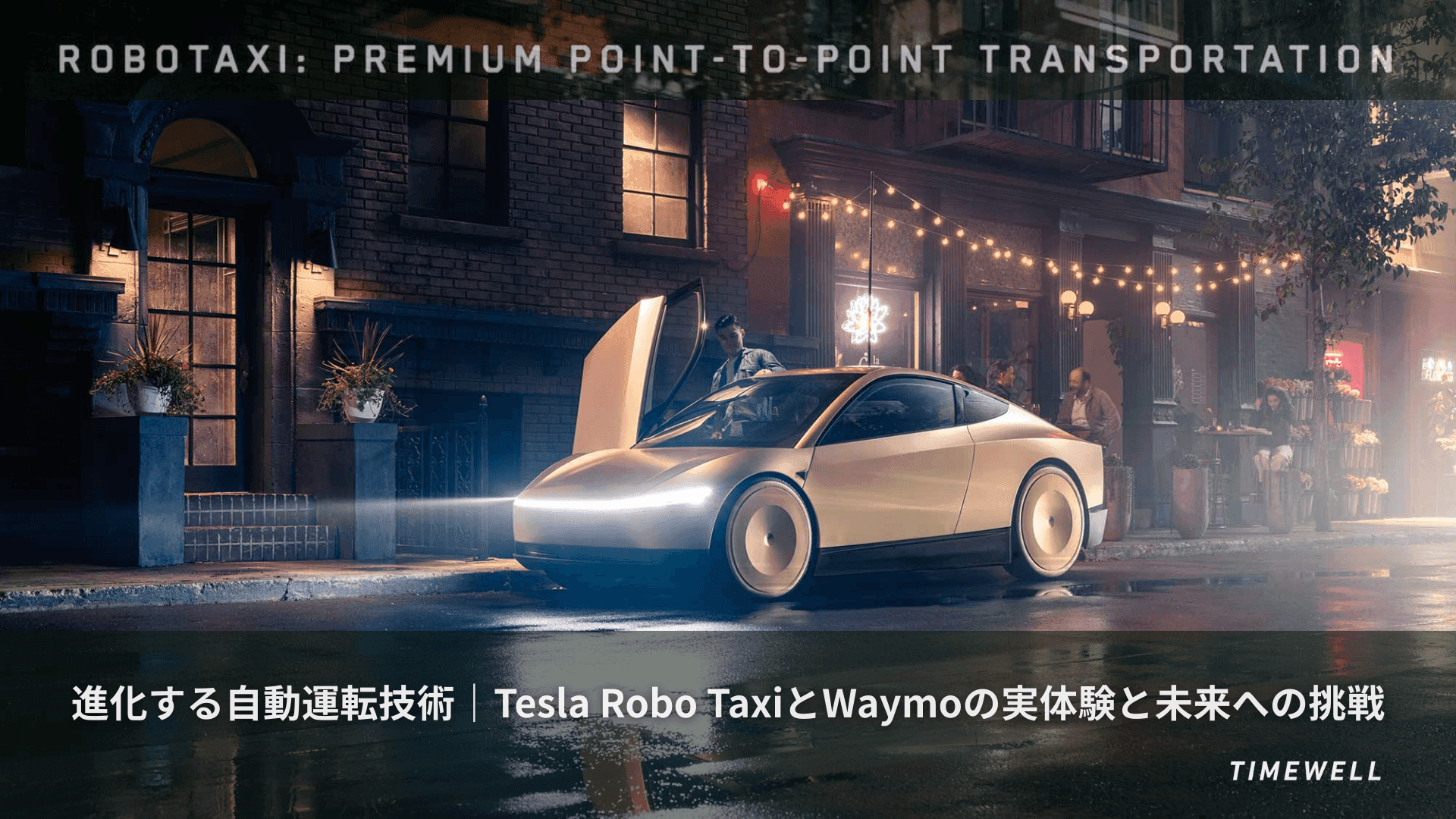
Cybercab is designed specifically for autonomous operation — no steering wheel, no pedals, no concessions to human drivers. The specs:
- Two-passenger configuration
- Target price: under $30,000
- Target production rate: one vehicle every 10 seconds
- Launch production: Gigafactory Texas, April 2026
Current Austin Model Y vehicles will transition to Cybercab as production ramps. A purpose-built platform eliminates the compromises of converting a passenger vehicle to robotaxi use.
Cybercab prototypes have been spotted in downtown San Francisco — final validation before mass production begins.
Bay Area Expansion
The Bay Area is the next major market after Austin. California's regulatory environment is more complex than Texas, but Tesla's operational track record in Austin, combined with its California Autonomous Vehicle Permit applications, is building the regulatory case.
Waymo Comparison: The Competitive Reality
Waymo's Current Position
Waymo has moved fast in 2025:
- 450,000 rides per week (80% increase over six months)
- Five operational cities: Austin, Phoenix, San Francisco, Los Angeles, Atlanta
- 11 additional cities planned for 2026 expansion
This is a real operational business. Waymo has accumulated driverless miles, regulatory relationships, and public trust across multiple markets. The head start is genuine.
The Structural Comparison
| Dimension | Tesla | Waymo |
|---|---|---|
| Weekly rides | Undisclosed | 450,000 |
| Current cities | 1 (+ testing) | 5 |
| Sensor system | Camera-only | LiDAR + camera |
| Vehicle cost | Under $30,000 | Estimated $150,000+ |
| Manufacturing | In-house | Third-party dependent |
| Scalability | High | Constrained by unit cost |
Tesla's Structural Advantages
Tesla is behind on operational scale today. The structural case for closing that gap quickly rests on:
- Manufacturing capacity: Tesla can produce vehicles at a rate Waymo cannot match. Scaling from 31 to 10,000+ vehicles is a production allocation question, not a years-long engineering project.
- Unit economics: A camera-only vehicle at $30,000 vs. a LiDAR-equipped vehicle at $150,000+ is a 5x difference that compounds across large fleets.
- Fleet data: Every Tesla vehicle with FSD activated contributes to the training dataset. The global fleet provides a data advantage that Waymo's ~1,000 vehicles cannot replicate.
- Vertical integration: Tesla controls the vehicle, the software, the charging infrastructure, and the app. No external dependencies constrain deployment decisions.
FSD: The Technical Foundation
Supervised to Unsupervised
FSD's development path:
| Version | Status |
|---|---|
| FSD v12 | Full neural network adoption |
| FSD v13 | Significantly improved stability |
| FSD Supervised | Current general availability |
| FSD Unsupervised | Target for Cybercab deployment |
The transition to unsupervised operation requires regulatory approval at the federal level (NHTSA safety standard compliance, FMVSS exemptions for vehicles without steering wheel/pedals) and at the state level. Texas's permissive regulatory environment created the path for Austin. Other states will follow as the operational record accumulates.
The Business Model: Tesla Network
Owner Participation
Tesla's longer-term model allows vehicle owners to add their car to the robotaxi fleet during idle hours:
- Vehicle operates autonomously while the owner is at work or sleeping
- Revenue is split between Tesla and the owner
- Ownership cost is partially or fully offset by robotaxi income
This distributed fleet model is structurally different from Waymo's company-owned fleet. It scales without requiring Tesla to purchase every vehicle in the fleet.
Revenue Streams
As the service matures, revenue sources include:
- Per-ride fees (ride-sharing revenue)
- FSD software licensing
- Fleet management services
- Insurance and maintenance services
Analysts expect robotaxi to become a primary revenue driver for Tesla as vehicle sales growth moderates.
Then and Now: Tesla Robotaxi Evolution
| Item | October 2024 (Concept) | January 2026 (Current) |
|---|---|---|
| Cybercab | Concept announced | Mass production in April |
| Service | Planning stage | 31 vehicles operational in Austin |
| Fare | Undetermined | $4.20 flat |
| Driverless testing | Not started | Underway |
| FSD | v12 testing | v13 stable |
| Expansion cities | TBD | 6 planned for 2026 |
| Waymo comparison | Significantly behind | Catching up rapidly |
2026: The Decisive Year
The milestones to watch:
- April: Cybercab mass production begins
- H1: Bay Area expansion
- Year-end: 5+ city deployment target
- Regulatory: FMVSS exemption application outcome
Challenges remain: regulatory approvals, continued safety validation (NHTSA collision reports need to trend down), and the scale advantage Waymo has built operationally. None of these are insurmountable given Tesla's manufacturing position.
Summary
For businesses evaluating what autonomous vehicle deployment means for their operations:
- Tesla's robotaxi is running commercially in Austin today — not a future scenario
- $4.20 flat fares point to a sustainable model around $0.25/mile at scale
- Cybercab mass production in April 2026 accelerates the unit economics
- 6+ cities planned for 2026; the geographic footprint will expand materially
- Waymo leads on operational scale; Tesla leads on cost structure and manufacturing capacity
The logistics, commuting, and delivery implications of widespread robotaxi deployment are real and near-term. Companies building strategy around human driver costs should be actively modeling what a $0.25/mile alternative does to those assumptions.