AIコンサル

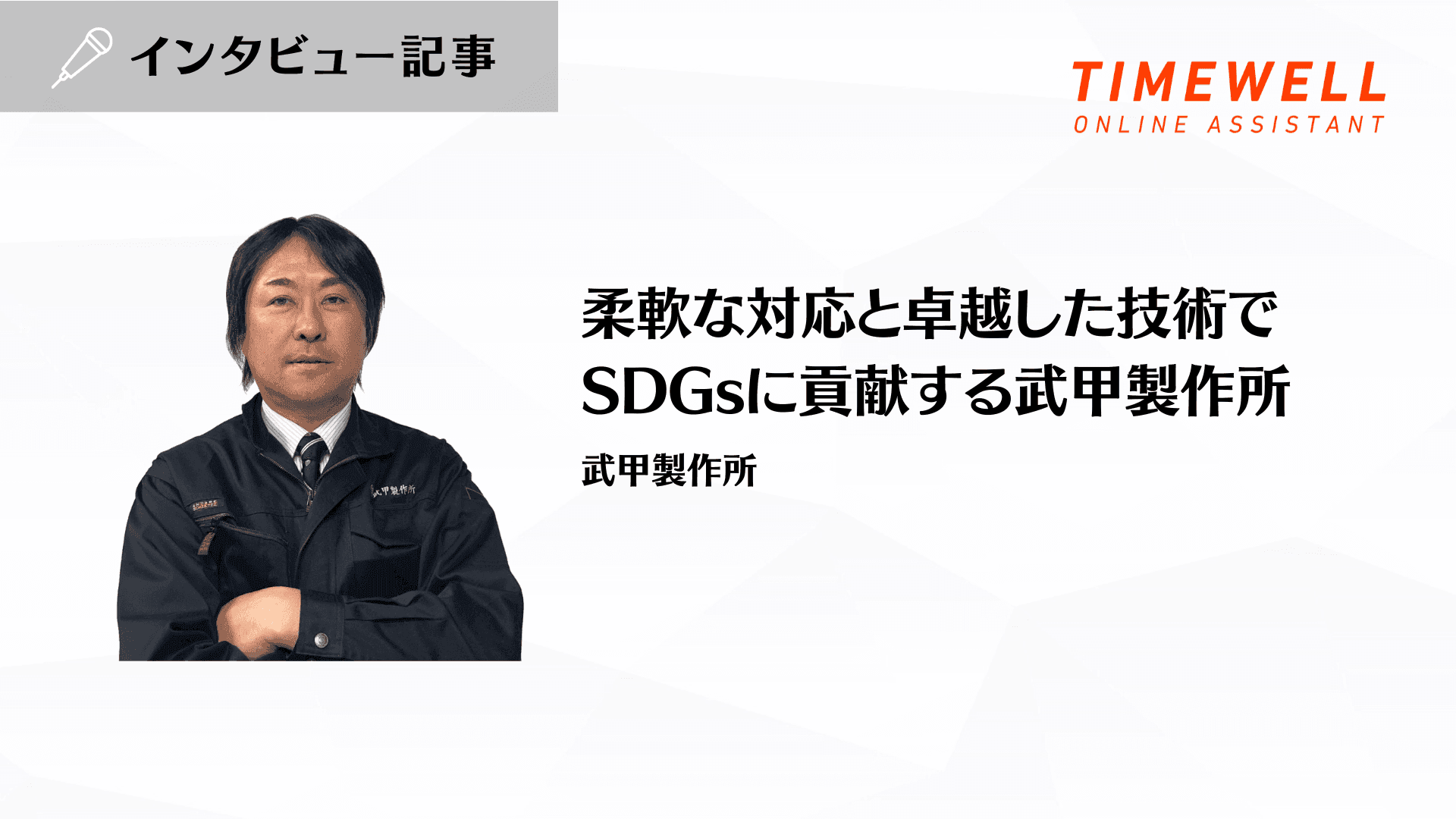
Buko Manufacturing: Precision Sheet Metal Work and SDG Contributions in Ota Ward

2026-01-21濱本

Founded in 1971, Buko Manufacturing specializes in precision sheet metal fabrication for iron and stainless steel from 0.5mm to 6mm thickness. The company has produced parts for NASA test aircraft, medical devices, and disaster prevention equipment — while building internal training programs to pass manufacturing knowledge to the next generation.

Buko Manufacturing: Precision Sheet Metal Work and SDG Contributions in Ota Ward
シェア

Hello, I'm Hamamoto from TIMEWELL.

Buko Manufacturing (武甲製作所) was founded in 1971 in Ota Ward, Tokyo — Japan's largest concentration of small manufacturing factories. Over more than 50 years, the company has built a reputation for precision sheet metal fabrication and quality that has reached clients from disaster prevention equipment manufacturers to NASA.


What Buko Manufacturing Does

Buko specializes in precision sheet metal processing, primarily working with iron and stainless steel at thicknesses from 0.5mm to 6mm. The company deliberately maintains capability across a wide range of industries rather than specializing in a single sector — a flexibility that has allowed it to respond to changing market needs over five decades.

Industries served include:

  • Power generation (electrostatic oil filtration device components)
  • Automotive manufacturing line equipment
  • Disaster prevention devices
  • Medical devices
  • Aerospace (NASA test aircraft components)

Looking for AI training and consulting?

Learn about WARP training programs and consulting services in our materials.

Environmental Contribution Through Product Manufacturing

One of Buko's SDG-aligned product lines is the manufacture of frames and components for electrostatic oil purification devices. These devices:

  • Are installed in hydraulic systems at power plants and automotive production lines
  • Use static electricity to remove contaminants from operating oil
  • Extend the service life of hydraulic equipment
  • Reduce oil consumption — a globally shared resource

Buko's role is the fabrication of the structural components that house these systems. The contribution to sustainability isn't from the company's own operations alone — it comes through the downstream use of the products manufactured.


Quality Systems and Process Design

Buko's approach to quality control operates at several levels:

Drawing review process: Before fabrication, engineers review customer drawings against the specific characteristics of Buko's machining equipment. Where possible, assembly drawings are also reviewed. This step catches fit problems before manufacturing begins — preventing the common scenario where parts are manufactured to specification but don't assemble correctly in the customer's final product.

Barcode production management: A barcode-based tracking system monitors each production step, enabling rapid defect root cause analysis. When a defect occurs, the system identifies which process produced it, allowing fast correction.

Delivery speed and reliability: The company has built its reputation in part on delivery speed for precision components — a particularly valued capability for disaster prevention and medical equipment manufacturers where lead times matter.

NASA experience: Buko has manufactured components used in NASA test aircraft. This level of precision work requires documentation, traceability, and quality assurance standards that carry over into other demanding applications.


Workforce Development and Knowledge Transfer

Buko's internal training philosophy addresses a challenge affecting Japan's manufacturing sector broadly: as experienced technicians age out, practical knowledge of fabrication processes doesn't automatically transfer.

The company's approach:

  • All employees are trained to handle every process — eliminating single points of failure if someone is absent
  • The company actively accepts trainees from other organizations
  • Elementary and middle school students are welcome for hands-on exposure to manufacturing work
  • New employee education for manufacturers is provided through the facility

The motivation Buko articulates is to convey the genuine interest of making things — not just to train workers, but to help the next generation develop an interest in manufacturing that sustains Japan's technical capability.

The use of 3D CAD and other design technology has created a gap: designers increasingly lack the workshop experience to understand manufacturing constraints. By opening their facility to students and new employees from other companies, Buko is working to close that gap.


SDGs reference: https://otasdgs.onexxxx.com/sdgs-buko

This interview article was produced by TIMEWELL.

Considering AI adoption for your organization?

Our DX and data strategy experts will design the optimal AI adoption plan for your business. First consultation is free.

Share this article if you found it useful

シェア

Newsletter

Get the latest AI and DX insights delivered weekly

Your email will only be used for newsletter delivery.

無料診断ツール

あなたのAIリテラシー、診断してみませんか?

5分で分かるAIリテラシー診断。活用レベルからセキュリティ意識まで、7つの観点で評価します。

Learn More About AIコンサル

Discover the features and case studies for AIコンサル.