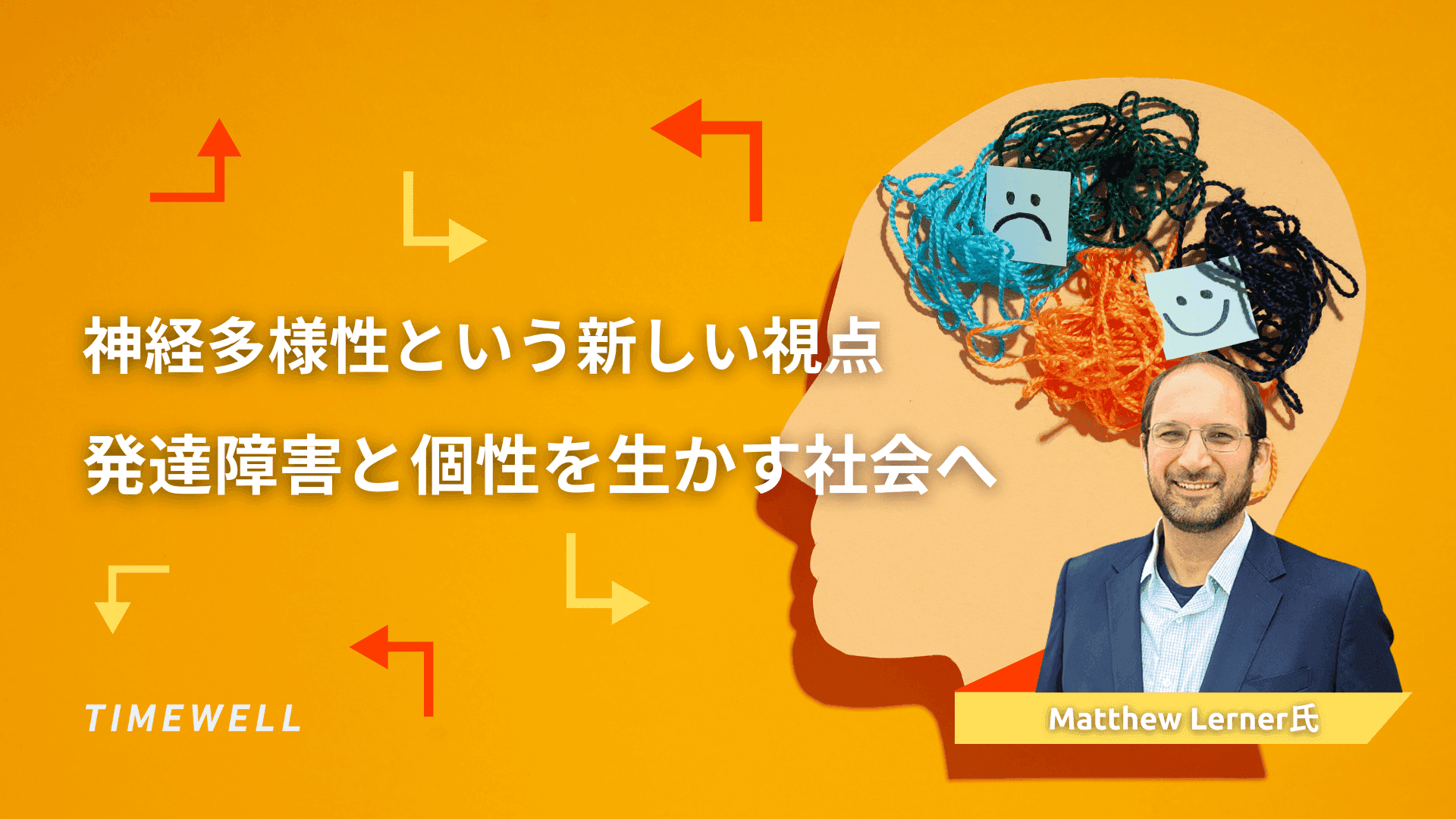
Neurodiversity is increasingly recognized not as a challenge to manage but as a source of organizational strength
Neurodiversity is increasingly recognized not as a challenge to manage but as a source of organizational strength. Companies that create environments where people with different cognitive styles can thrive are discovering that they gain access to forms of talent and perspective that more uniform teams simply cannot provide.
The term neurodiversity encompasses a wide range of cognitive differences, including autism spectrum conditions, ADHD, dyslexia, dyscalculia, dyspraxia, and others. What these conditions have in common is that they represent variations in how the brain processes information — variations that can create significant challenges in environments designed around neurotypical norms, but that can also confer distinct advantages in the right contexts.
The business case
The most compelling arguments for neurodiversity inclusion are not primarily moral — though those arguments are also valid — but practical. Organizations that have made deliberate efforts to attract and support neurodiverse employees consistently report concrete benefits:
Pattern recognition and detail orientation: Many people on the autism spectrum demonstrate exceptional ability to identify patterns, remember detailed information, and maintain focus on complex, repetitive tasks. These capabilities are valuable in data analysis, quality assurance, cybersecurity, and software testing.
Creative and divergent thinking: ADHD is frequently associated with the ability to generate large numbers of ideas quickly, make unexpected connections between disparate concepts, and sustain high energy levels when engaged with stimulating work. These traits can be powerful in creative, entrepreneurial, and innovation-focused roles.
Hyperfocus and deep expertise: When a neurodiverse individual's work aligns with their particular interests and strengths, the depth of engagement and expertise they can bring to that work often exceeds what neurotypical colleagues can achieve.
Systematic and rule-based thinking: Some neurodiverse individuals are particularly effective in environments where clear rules, processes, and expectations are defined — making them well-suited to roles in compliance, audit, engineering, and certain aspects of research.
The AI connection
The rise of AI in the workplace has interesting implications for neurodiversity. On one hand, AI tools that can handle repetitive information processing, scheduling, and communication tasks can reduce some of the friction that neurodiverse individuals face in traditional work environments. The ability to organize information, manage time, and filter sensory inputs through AI assistance can level the playing field in meaningful ways.
On the other hand, as AI automates more routine cognitive tasks, the comparative value of distinctly human capabilities — creativity, systems thinking, deep focus, novel problem framing — becomes greater. Many of these capabilities are disproportionately represented in neurodiverse populations.
Practical steps for organizations
Creating a genuinely inclusive environment for neurodiverse talent requires more than good intentions. It requires changes to processes, environments, and culture:
Recruitment: Standard interview processes systematically disadvantage many neurodiverse candidates. Work sample tests, portfolio reviews, structured interviews with questions shared in advance, and alternative assessment formats can give neurodiverse candidates a better opportunity to demonstrate their actual capabilities.
Onboarding: Clear, explicit expectations; consistent routines; and structured support during the transition period can significantly improve retention of neurodiverse new hires who might otherwise struggle in ambiguous early environments.
Work environment: Flexibility in where and when work is done, options for noise management and sensory control, and tolerance for different working styles are often low-cost accommodations that make a significant difference.
Management: Managers who are effective with neurodiverse team members tend to give clear, specific feedback; set explicit expectations; avoid ambiguity in instructions; and focus on outcomes rather than behavioral conformance.
Community: Employee resource groups and peer networks for neurodiverse employees can provide support, reduce isolation, and help surface systemic barriers that may not be visible to leadership.
A shift in perspective
The most fundamental change required is a shift in how organizations think about cognitive difference — from a deficit to be accommodated to a form of diversity to be cultivated. This is not naive optimism. It is an accurate reading of the evidence. Organizations that have made this shift are outperforming those that have not.
As the nature of work continues to evolve — with AI handling more routine processing and premium being placed on creativity, judgment, and the ability to work with ambiguity — the strategic value of neurodiverse talent will only increase.
Looking for AI training and consulting?
Learn about WARP training programs and consulting services in our materials.
Streamline event operations with AI | TIMEWELL Base
Struggling to manage large-scale events?
TIMEWELL Base is an AI-powered event management platform.
Proven Track Record
- Adventure World: Managed Dream Day with 4,272 participants
- TechGALA 2026: Centrally managed 110 side events
Key Features
| Feature | Impact |
|---|---|
| AI Page Generation | Event page ready in 30 seconds |
| Low-cost payments | 4.8% fee — industry's lowest |
| Community features | 65% of attendees continue networking after events |
Ready to make your events more efficient? Let's talk.