An Unexpected Setting for Sports Marketing Insight
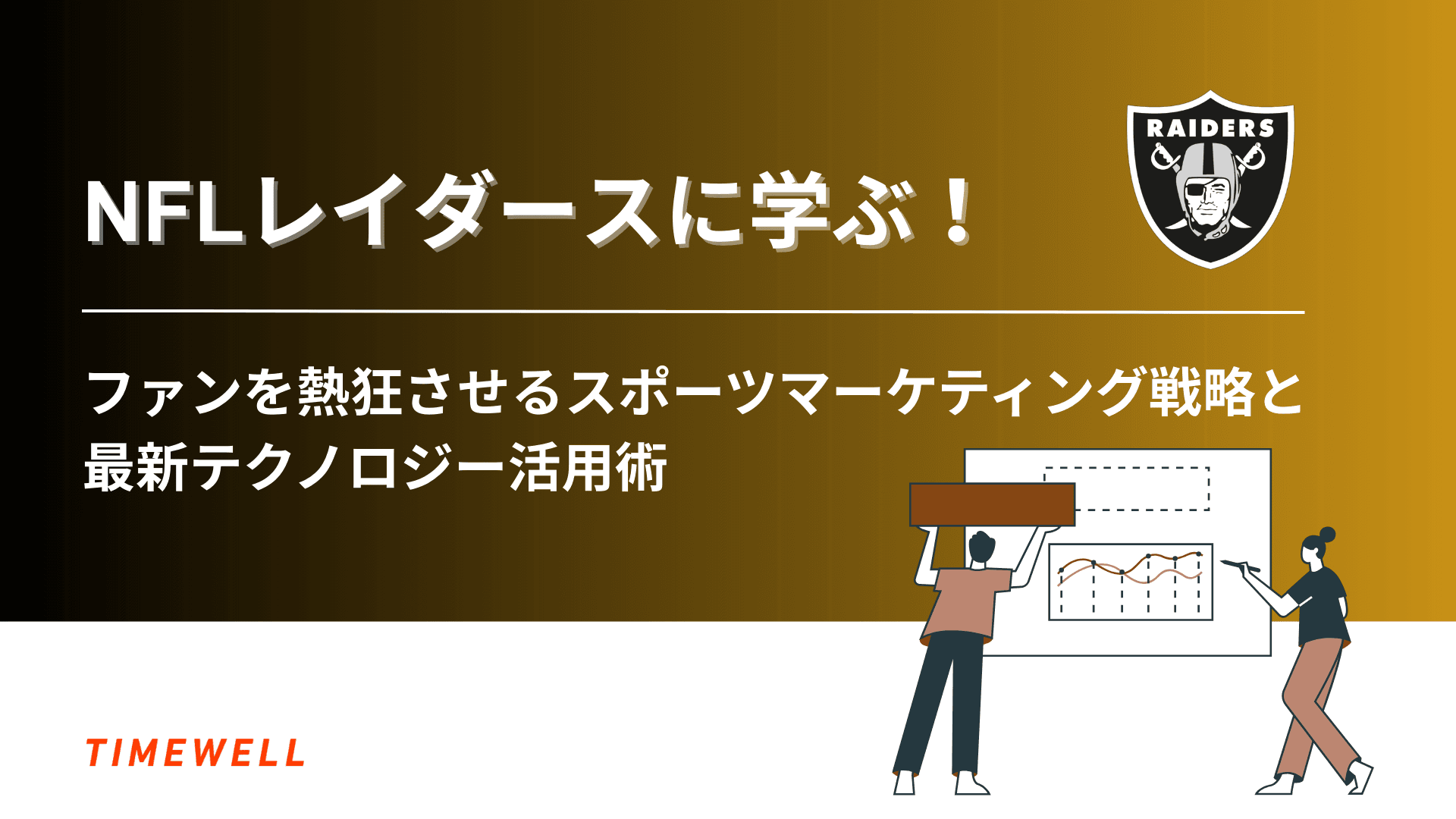
CES — the Consumer Electronics Show — is not the first venue you would expect substantive sports marketing conversation. But the 2026 edition included a session that delivered some of the most practically applicable marketing thinking of the event: an interview with Kristen Banks, Senior Vice President of Marketing for the Las Vegas Raiders.
The timing was significant. The session took place shortly after the Raiders had hosted the Super Bowl at Allegiant Stadium — a historic first for Las Vegas and for a city that was, until recently, considered off-limits for major professional sports events due to its association with gambling.
From Gambling Capital to Sports City
The transformation of Las Vegas into a legitimate sports destination is worth understanding on its own terms, because it illustrates something important about how brand associations change.
Las Vegas carried a specific image for decades — entertainment, casinos, gambling. That image was considered incompatible with the clean-family-entertainment positioning that major sports leagues required. No major professional sports franchises were based there. No major sports events were held there.
The shift happened gradually, then quickly. The Raiders relocated from Oakland in 2020, Allegiant Stadium opened, and within a few years Las Vegas was hosting the Super Bowl, the Formula 1 Grand Prix, and the NBA All-Star Game.
Banks described the Super Bowl as "a landmark moment for the city" — not just for the Raiders, but for Las Vegas as a whole. The estimated economic impact exceeded $14 billion. Community events during Super Bowl week included grants of over 700 million yen (approximately $7 million) to local nonprofits. Families from underserved communities were given Super Bowl tickets as recognition for community service — a detail that generated significant emotional resonance in coverage of the event.
Take AI-driven development all the way to production
WARP is a hands-on program for teams who want more than headlines. Former enterprise DX and data strategy leads work alongside you until it runs.
The Raider Nation Brand
The Raiders have something that most sports franchises would pay significantly to manufacture: a fan base with a distinct identity.
Raider Nation is multi-generational. Fans who have supported the team for three generations bring their grandchildren to games. The iconography — silver and black, pirate imagery, an edge that Banks describes as "Raiders-esque" — is distinctive enough that it functions as a subculture as much as a fan base.
The marketing challenge this creates is interesting: how do you continue to generate and reinforce that identity without making it feel manufactured? The authenticity of the Raider Nation identity is part of its value. Marketing that feels like marketing can undermine it.
Banks' approach: go back to roots. The 2025 marketing strategy was explicitly about "returning to roots" — emphasizing the history, the passion, and the specific attitude that has characterized the franchise since its founding. Rather than chasing trends, the strategy doubled down on what makes Raiders fans different from fans of other teams.
The Unpredictable Product Problem
Sports marketing has a structural challenge that almost no other industry faces: the core product is unpredictable.
A consumer goods company can control product quality. A software company can iterate based on user feedback. A sports franchise cannot control whether its team wins or loses. Marketing must continue regardless.
Banks described the mentality required as capturing "lightning in a bottle" — taking the moments the team creates, positive or negative, and extracting the maximum marketing value from them. Win: celebrate in a way that amplifies the emotion and brings the community together. Lose: pivot quickly to other aspects of the franchise's story — community involvement, player personalities, preparation for the next game.
This is not spin. It is genuine narrative agility — the ability to tell true stories about the franchise that do not depend entirely on the scoreboard.
AI and Crowd Intelligence at the Stadium
The session turned toward technology when discussing what Banks had been looking for at CES. Her focus: AI applications for stadium fan experience.
The Raiders have established an internal AI task force examining applications across the organization. The most immediately promising near-term application she described was "Crowd IQ" — a system that maps and analyzes crowd behavior within the stadium in real time.
The capabilities she outlined:
Emotional analysis — identifying whether sections of the crowd are excited, bored, or disengaged based on visual analysis (distinct from individual facial recognition, she was careful to note).
Fan attribute mapping — identifying which sections have home fans versus visiting fans based on clothing, enabling more targeted in-stadium experience adjustments.
Real-time response — using crowd analysis data to make in-moment decisions about when to run promotions, change music, or create experiences in specific sections.
Banks acknowledged the tension: these capabilities are powerful, but privacy considerations are essential. The difference between crowd-level emotional sensing and individual surveillance matters both legally and for fan trust.
Reaching Younger Fans
The demographic challenge facing professional sports leagues in the US is real. Younger audiences consume sports differently — shorter attention spans, second-screen habits, preference for highlight content over full-game viewing.
The Raiders' response includes explicit content partnerships with Disney and Nickelodeon — platforms that reach children with entertainment, not sports first. When a Raiders game is presented through the lens of Toy Story characters or Nickelodeon slime, it creates an entry point for children who might not otherwise engage with a four-hour NFL broadcast.
Banks' insight on this: the game itself is still the nucleus of content — the three-hour event that generates all the moments — but it is surrounded by an expanding universe of ancillary content that serves different audience needs. Highlights, behind-the-scenes footage, player personalities, celebrity fan appearances. The job of the marketing team is to find the audience for each type of content.
What This Means Beyond Sports
The session was nominally about NFL marketing, but the underlying principles apply to any business with a loyal customer community:
Authentic identity is a competitive advantage — and it cannot be manufactured after the fact. The Raiders' decades of brand consistency created something with real commercial value.
Narrative agility is a marketing competency — the ability to tell true, engaging stories that are not dependent on a single, controllable outcome.
Technology augments but does not replace the core emotional product — AI and data tools make fan experiences more responsive, but they work because fans already care about the team.
Younger audiences require different content formats — but they do not require abandoning the core product.
TIMEWELL BASE: AI-Powered Community Platform
TIMEWELL's BASE platform helps organizations build and manage communities — with AI-assisted event management, low-cost payments, and engagement tools.