A systematic guide to the fundamentals of enterprise AI. From initial evaluation to full-scale deployment.
A clear guide to what enterprise AI is: how it differs from consumer AI, why agentic AI is the story of 2026, real-world use cases such as manufacturing, and the governance and cost factors that decide success.
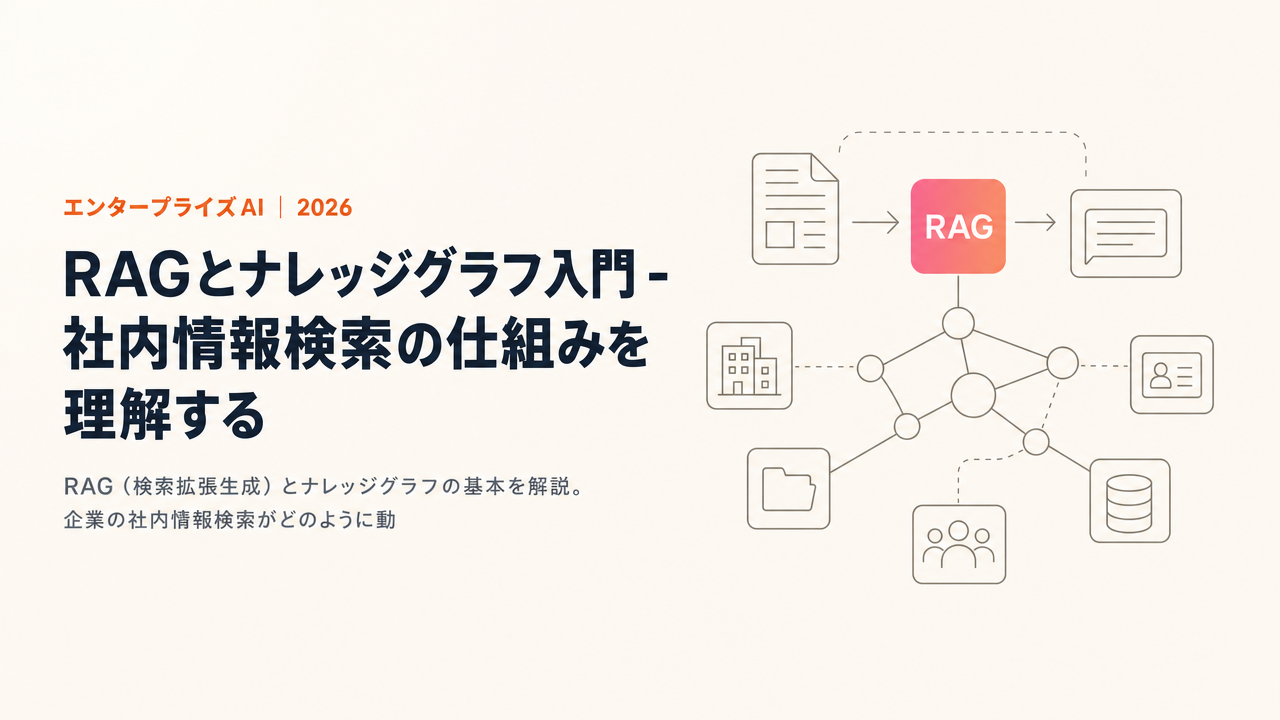
A clear guide to RAG (Retrieval-Augmented Generation), knowledge graphs, and GraphRAG, using manufacturing examples such as drawing search and quoting. Learn the limits of vector search, why GraphRAG excels at multi-hop questions, the agentic RAG of 2026, and permission control at deployment, so you can choose the right internal AI search.
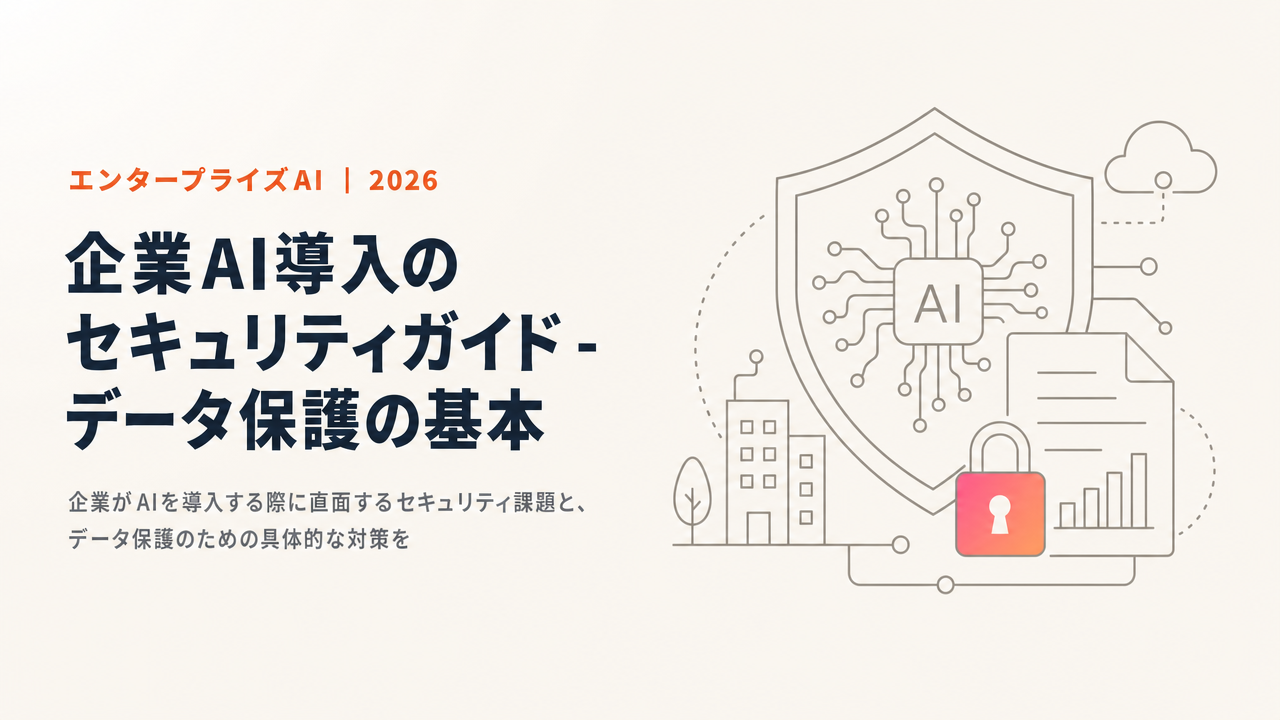
A practical, end-to-end guide to the security challenges enterprises face when using generative AI at work. Covers generative-AI-specific risks such as shadow AI and prompt injection, the fundamentals of data residency and access control, and how to align with Japan's AI Business Operator Guidelines, with concrete measures to prevent data leakage.
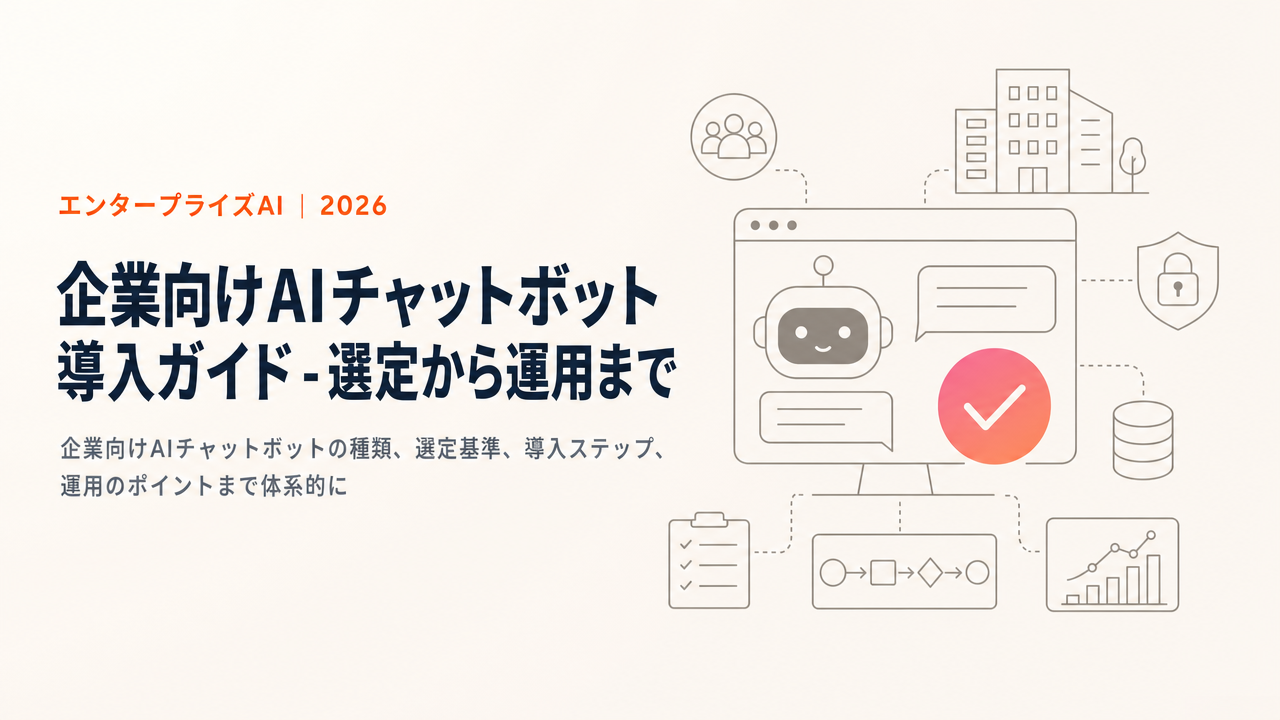
A practical guide to the four types of internal AI chatbots (scenario-based, generative AI, hybrid, and AI agent), how to choose between them, and how to handle security, hallucination, deployment, and ROI, with examples from manufacturing drawings and quotations.
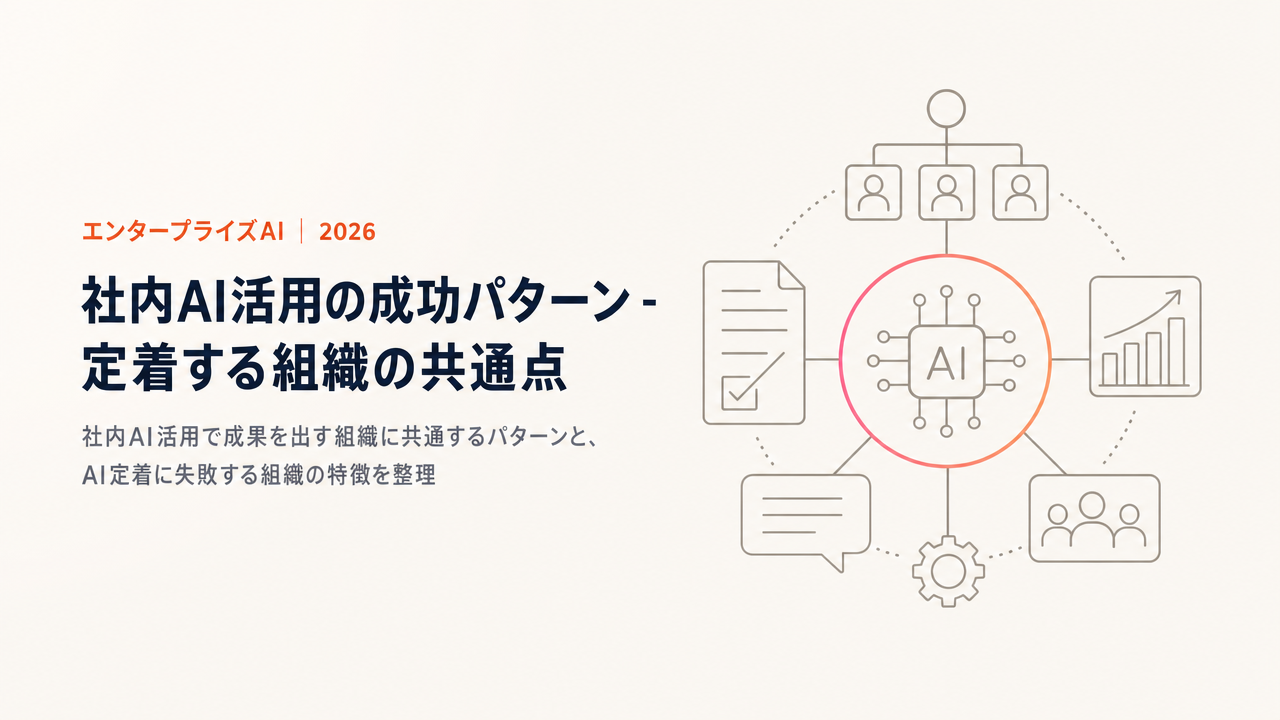
The success patterns shared by organizations that get real results from enterprise AI, and the traits of organizations that fail to make it stick, organized around the latest 2026 research data and real examples from the manufacturing floor.
A guide to prompt engineering from the fundamentals to real-world practice in 2026. It covers instruction design in the reasoning-model era, structured output and RAG integration, the shift toward context engineering, and how design and sales teams in manufacturing can put it to work.
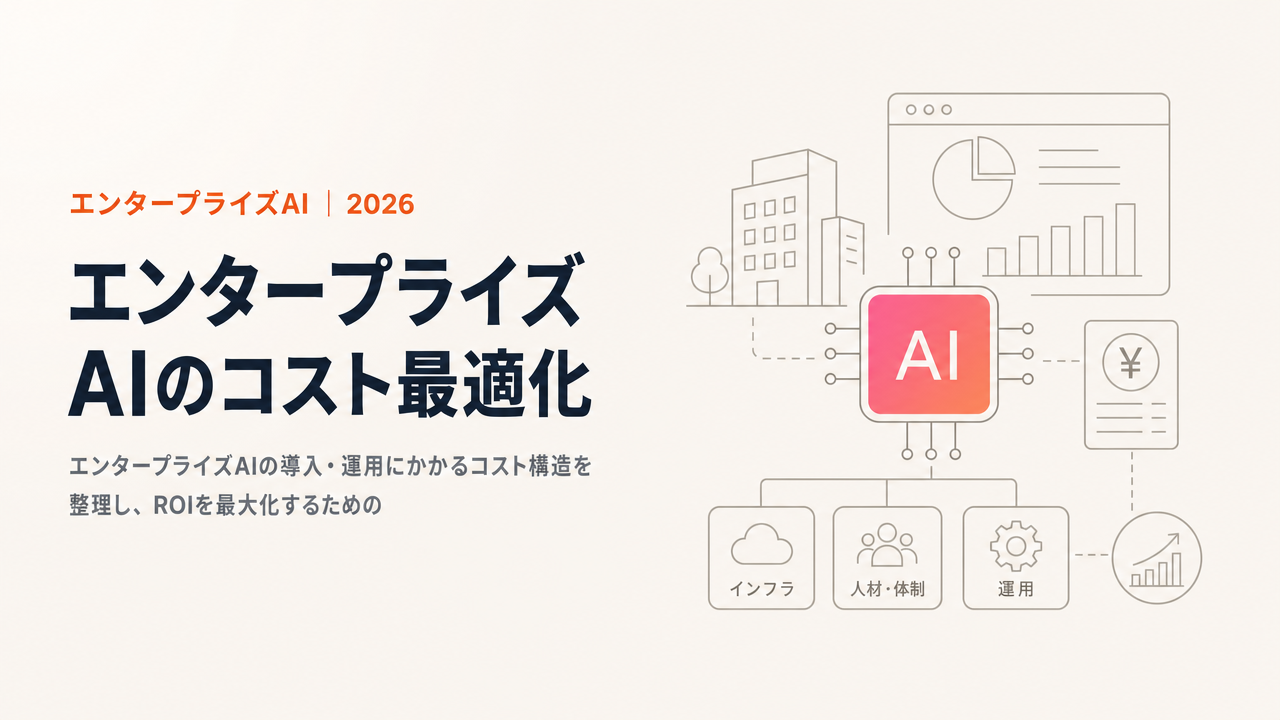
A breakdown of the cost structure for enterprise AI deployment and operations, grounded in the latest 2026 data (the shift from build to buy, falling token prices, pilots that miss ROI), with practical optimization strategies and a clear way to measure ROI.
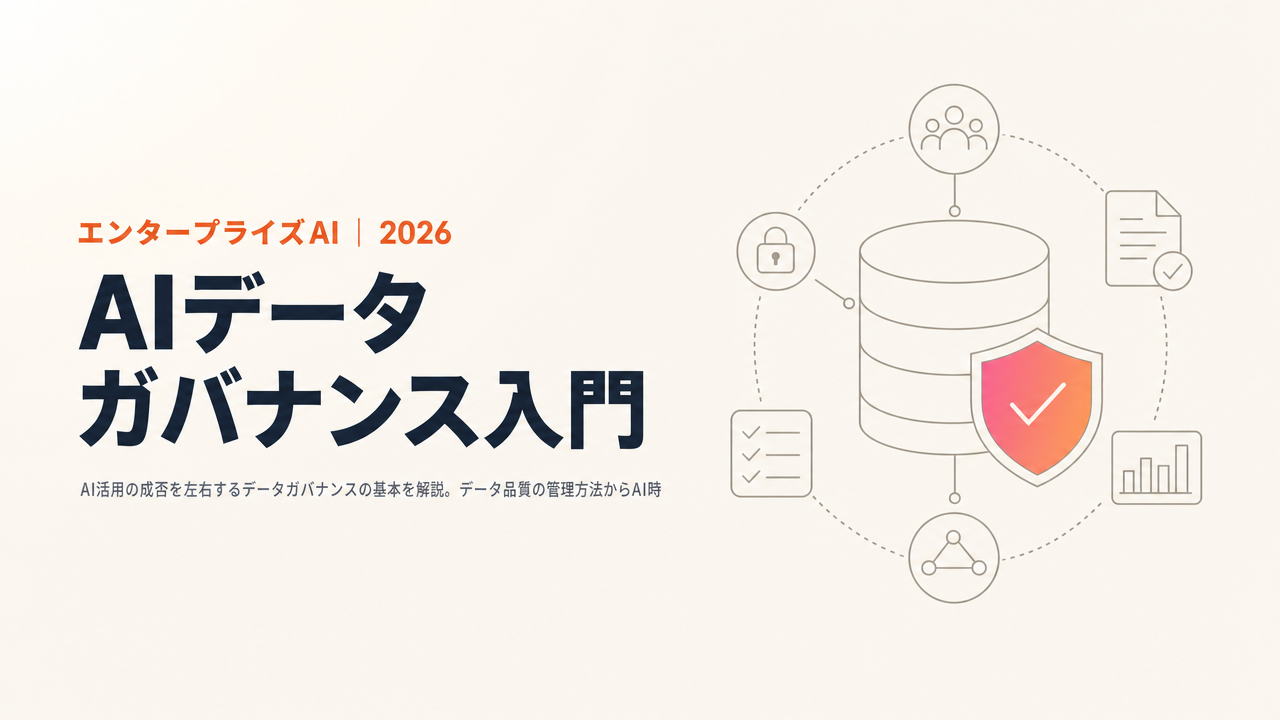
Learn the fundamentals of the data governance that decides whether AI adoption succeeds, illustrated with real manufacturing examples such as drawings, part numbers, and skills transfer. Covers the six dimensions of data quality, the governance questions unique to the RAG/GraphRAG era, and the 2026 regulatory landscape in Japan and the EU at a practical level of detail.
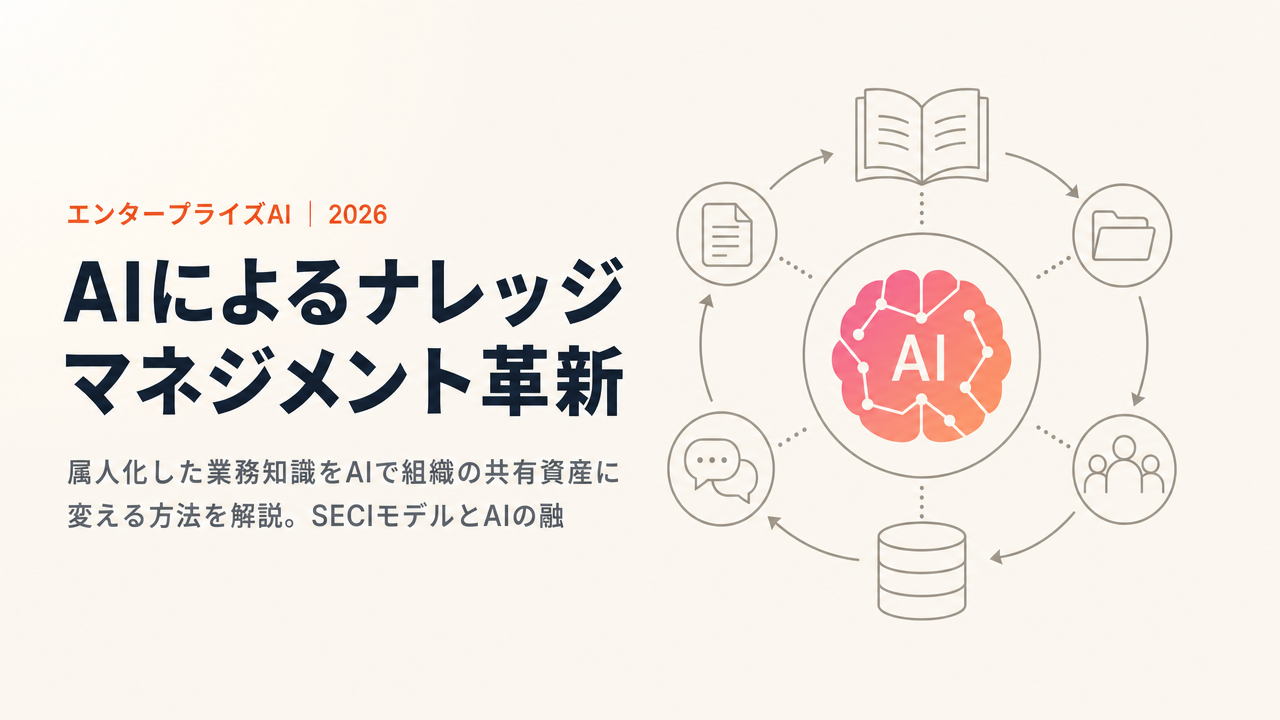
A practical guide to turning siloed expertise and skills transfer into shared organizational assets with AI. Covers tacit and explicit knowledge, the SECI model, why traditional knowledge management failed, implementation steps, and how to measure impact and set governance.
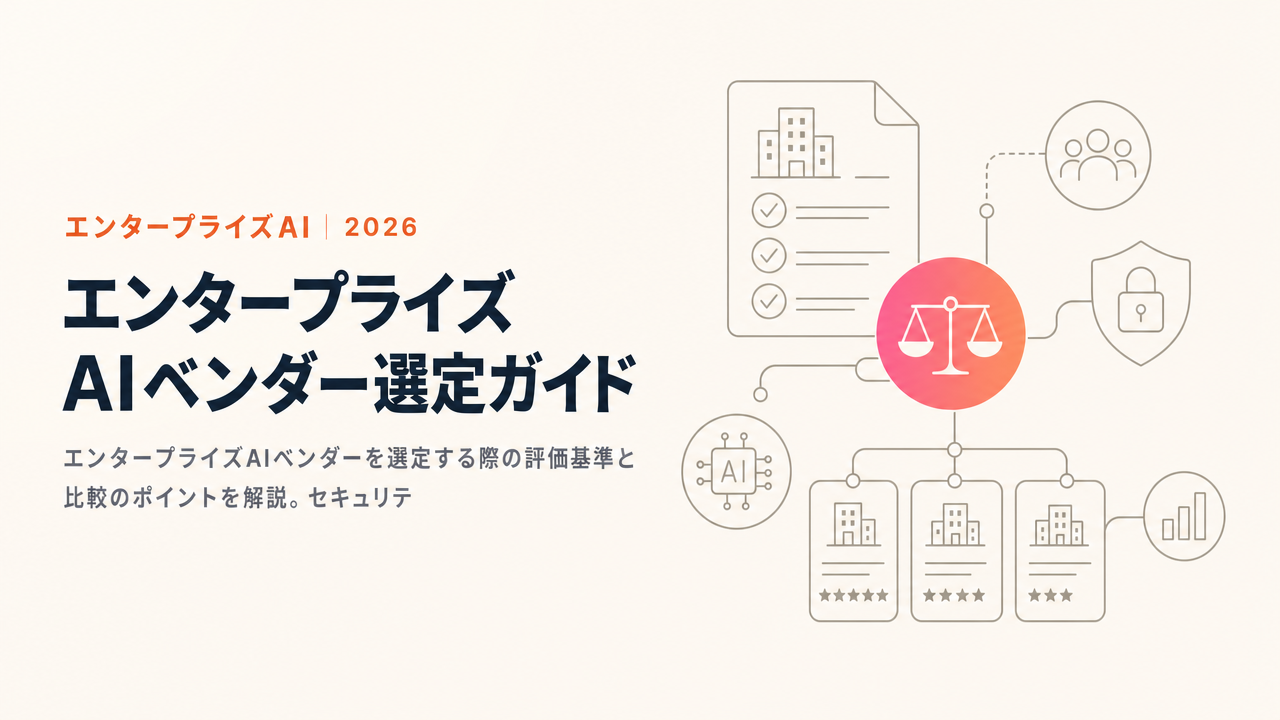
How to choose an enterprise AI vendor, grounded in the realities of 2026. Covers the evaluation criteria that shifted from chatbots to AI agents, how to design a PoC, a ready-to-use RFP checklist, and drawing AI for manufacturing, so your deployment actually becomes a working asset.