A party is not just a gathering — it's a shared experience worth creating
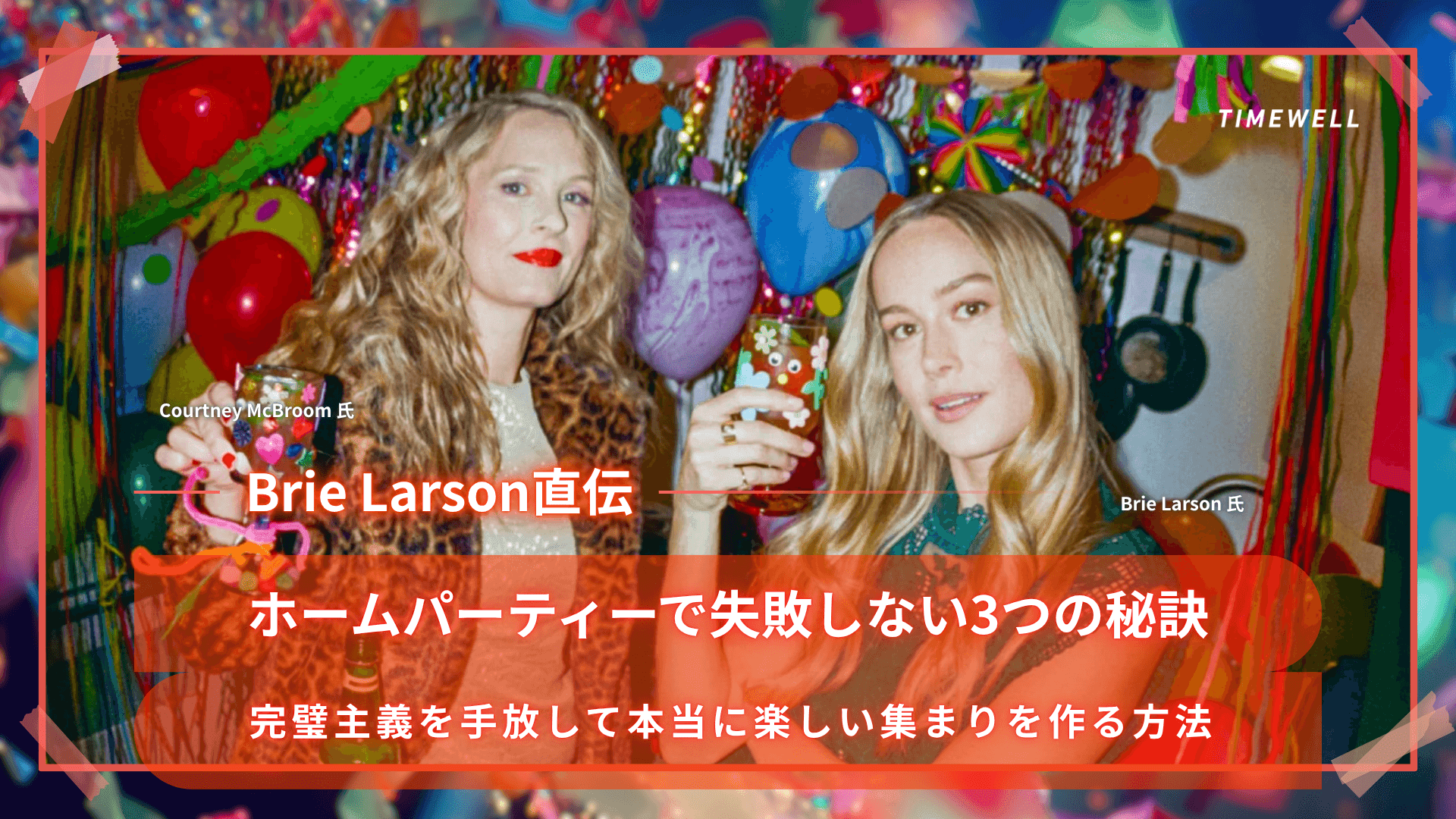
Parties are where people connect genuinely, laugh together, and create memories they carry for years. The book Party People captures this philosophy in full — a guide to hosting gatherings that feel alive rather than performative, authored by a party planner duo whose partnership itself began with a dramatic cheese-related encounter.
This article unpacks the key lessons from their extended interview: how their partnership formed, what makes parties actually work, their most trusted make-ahead recipes, and why letting go of perfection is the first step toward genuinely memorable hosting.
How a melted quesadip started everything
The founding story of this duo involves a presidential debate watch party in Texas. Courtney McBroom — Texas-born host and the brains behind what she calls "the world's most famous quesadip" — was deep in cooking mode when Brie appeared, drawn irresistibly by melted cheese. The moment they connected over a shared love of perfectly melted dairy, a partnership was already forming.
Both came to events from different directions — Courtney with family roots in event planning, Brie with the perspective of someone who had learned to express themselves on a large stage. Their first formal collaboration was on the production Lessons in Chemistry, where Courtney served as food consultant while Brie was in the cast. The experience confirmed that two people with complementary strengths could create something neither could alone.
From there came a long series of parties and a signature event: an annual hot dog festival that grew from a family backyard gathering to something considerably larger. Their philosophy: parties should create feelings of achievement and release — a genuine escape from the ordinary, not just an obligation fulfilled.
The key insight underlying all of it: parties work best when the host is present, not just performing. Which brings us directly to how they think about preparation.
The three-step framework: stop trying to be perfect
The most common hosting mistake? Over-correcting for anxiety. Hosts who worry too much become rigid, which closes down the atmosphere rather than opening it.
Their framework prioritizes flexibility and presence over perfection:
Step 1: Know your guests before you plan your menu
Guest list awareness is the foundation. Food preferences, allergies, dietary approaches — understanding these before finalizing the menu eliminates last-minute pivots and ensures everyone can eat comfortably. The menu itself should be simple enough to prepare largely in advance: roasted proteins, vegetable-forward sides, substantial snacks that hold well.
Step 2: Delegate strategically
Enlist a friend to arrive early to help open the door and manage initial arrivals. This simple step frees the host from trying to cook and greet simultaneously — a split focus that drains both activities of quality. One person at the door, one in the kitchen: both roles done well.
Step 3: Create conditions for real conversation
One tactic that generated consistently positive feedback: asking guests to leave their phones at the entrance. The result — guests who talked to each other rather than their screens — was described as transformative. Real connections happened. The party lived beyond the photos taken of it.
The overarching principle: "A party doesn't have to be perfect. Some of the best memories come from the moments that didn't go as planned."
Make-ahead recipes: staying out of the kitchen
The practical engine of their approach is a commitment to recipes that can be fully prepared in advance, leaving nothing but reheating or plating for the day of the event.
Tonnato dip: A blend of tuna, capers, garlic, anchovies, olive oil, and lemon juice made in a food processor. Simple, but highly dependent on ingredient quality — good tuna matters. Keeps well for days, making it ideal for a spread that needs to be ready before guests arrive.
Miso deviled eggs: Hard-boiled egg yolks combined with mayonnaise, white miso, rice vinegar, chili sauce, soy sauce, and kosher salt, processed until smooth, then chilled. Finished with diced tomatoes and fried shallots. The richness from the miso and the crunch from the topping create a dish that consistently surprises guests.
Both recipes share a design philosophy: prepare everything meaningful in advance so that the host's energy on the day goes toward the guests, not the kitchen. A host who is relaxed and present is the most important ingredient in any successful gathering.
The media dimension: being yourself is the strategy
Both authors acknowledge that sharing their approach publicly required overcoming a version of the fear of judgment. The particular challenge: showing the real, unpolished moments alongside the beautiful ones — the things that went wrong, the dishes that needed last-minute adjustment, the times when the plan changed.
Their conclusion: authenticity performs better than curation. Viewers and readers respond to genuine personalities and real situations far more than to flawless presentation. The advice they distilled: just be yourself, and let the camera see what you actually care about.
Summary
The core of Party People can be compressed into a few principles:
- Let go of perfection; imperfection creates the most memorable moments
- Prepare the food in advance so you can be present with your guests
- Know your guest list before you finalize the menu
- Delegate at least one task to a trusted friend
- Create conditions for real conversation — including putting phones away
- Find a partner whose strengths complement yours
Parties are not a performance. They are a shared experience worth building carefully — and the most important thing a host can provide is their own genuine, relaxed presence.
Looking to optimize community management?
We have prepared materials on BASE best practices and success stories.
Streamline event operations with AI | TIMEWELL Base
Struggling to manage large-scale events?
TIMEWELL Base is an AI-powered event management platform.
Proven Track Record
- Adventure World: Managed Dream Day with 4,272 participants
- TechGALA 2026: Centrally managed 110 side events
Key Features
| Feature | Impact |
|---|---|
| AI Page Generation | Event page ready in 30 seconds |
| Low-cost payments | 4.8% fee — industry's lowest |
| Community features | 65% of attendees continue networking after events |
Ready to make your events more efficient? Let's talk.