TIMEWELL
Solutions
Free ConsultationContact Us
TIMEWELL

Unleashing organizational potential with AI

ISO/IEC 27001 (ISMS) certification mark (SGS / ISMS-AC)

ISO/IEC 27001:2022 certified Certificate No. JP26/00000255 Scope: Planning, development and operation of SaaS products utilizing AI technology

Services

  • ZEROCK
  • TRAFEED
  • TIMEWELL BASE
  • WARP
  • WARP 1Day
  • WARP NEXT Corporate
  • WARP BASIC
  • WARP ENTRE
  • Alumni Salon
  • WARP for Schools
  • Alumni Ventures
  • FDE
  • AI Consulting
  • EMC GLOBAL

Company

  • About Us
  • Team
  • Why TIMEWELL
  • News
  • Contact
  • Free Consultation

Content

  • Insights
  • Knowledge Base
  • Case Studies
  • Whitepapers
  • Events
  • Solutions
  • AI Readiness Check
  • ROI Calculator

Legal

  • Privacy Policy
  • Manual Creator Extension
  • WARP Terms of Service
  • WARP NEXT School Rules
  • Legal Notice
  • Security
  • Anti-Social Policy
  • ZEROCK Terms of Service
  • TIMEWELL BASE Terms of Service

Newsletter

Get the latest AI and DX insights delivered weekly

Your email will only be used for newsletter delivery.

© 2026 株式会社TIMEWELL All rights reserved.

Contact Us
HomeColumnsTagsUnauthorized Access
Tag

Unauthorized Access

Articles about "Unauthorized Access"

10 articles

10 articles

Lessons From the GMO Breach: What Government, Companies and Individuals Should Do Now
AI Security

Lessons From the GMO Breach: What Government, Companies and Individuals Should Do Now

This article lays out what happened in the October 2026 unauthorized access to GMO's Onamae.com Desktop Cloud, using GMO's official announcements and press reports, and then explains what we can learn from it in three roles: government, companies and individuals. It is written in plain language for beginners and ends with actions you can take today.

2026-11-06Ryuta Hamamoto
Japan's Government Guide to Web and App Breaches, Explained for Executives
AI Security

Japan's Government Guide to Web and App Breaches, Explained for Executives

On 5 November 2026, Japan's National Cybersecurity Office published a 13-page document on protecting websites and mobile apps from unauthorized access. This beginner-friendly guide reads it page by page in plain language, organized around its three pillars of operations, design and development, and supply chain, and sets out what executives should decide and what to ask staff and contractors.

2026-11-06Ryuta Hamamoto
AI Pentest Tools and Open-Weight Models Used in Attacks: The Disclosed Facts and How to Prepare
AI Security

AI Pentest Tools and Open-Weight Models Used in Attacks: The Disclosed Facts and How to Prepare

In October 2026, CrowdStrike reported attacks that combined ARTEX, an open-source AI penetration-testing tool developed in China, with models such as DeepSeek v4.1-flash. Together with NIST's and Anthropic's assessments of GLM-5.3, this article separates the disclosed facts from what is still unknown, and sets out six things companies should prepare.

2026-10-20Ryuta Hamamoto
Lessons From a Community SaaS Breach: Protecting Invite Links and Admin Privileges
AI Security

Lessons From a Community SaaS Breach: Protecting Invite Links and Admin Privileges

In October 2026, a Japanese community-platform SaaS had the member data of about 307,000 people leaked. The disclosed methods were improper acquisition of invite links to private communities and impersonation of administrators. This article separates the disclosed facts from what remains unconfirmed, then sets out what both SaaS operators and the companies that use them should review, based on OWASP and RFC 8725.

2026-10-20Ryuta Hamamoto
Lessons From the 22.5 Million-Record Sourcenext Breach: Protecting Member Data APIs
AI Security

Lessons From the 22.5 Million-Record Sourcenext Breach: Protecting Member Data APIs

On 15 October 2026, Japanese software company Sourcenext disclosed that unauthorized use of its member information API may have exposed up to 22,519,960 records. This article separates the disclosed facts from what is still unknown, then lists six items for operators who run APIs that return member data and how to act if a breach happens, based on OWASP and Japan's Personal Information Protection Commission.

2026-10-20Ryuta Hamamoto
Does Blocking Foreign Traffic Work? What Japan's Residential Proxy Data Shows
AI Security

Does Blocking Foreign Traffic Work? What Japan's Residential Proxy Data Shows

Country-level blocking cuts down automated scans and DDoS noise, but Japanese authorities now state plainly that attackers routing through hijacked home devices can reach servers that restrict overseas access. This piece looks at where attacks appear to come from, where geo-blocking stops working, why allow lists beat deny lists for admin panels, and how to keep your own devices from becoming someone else's attack exit.

2026-10-04Ryuta Hamamoto
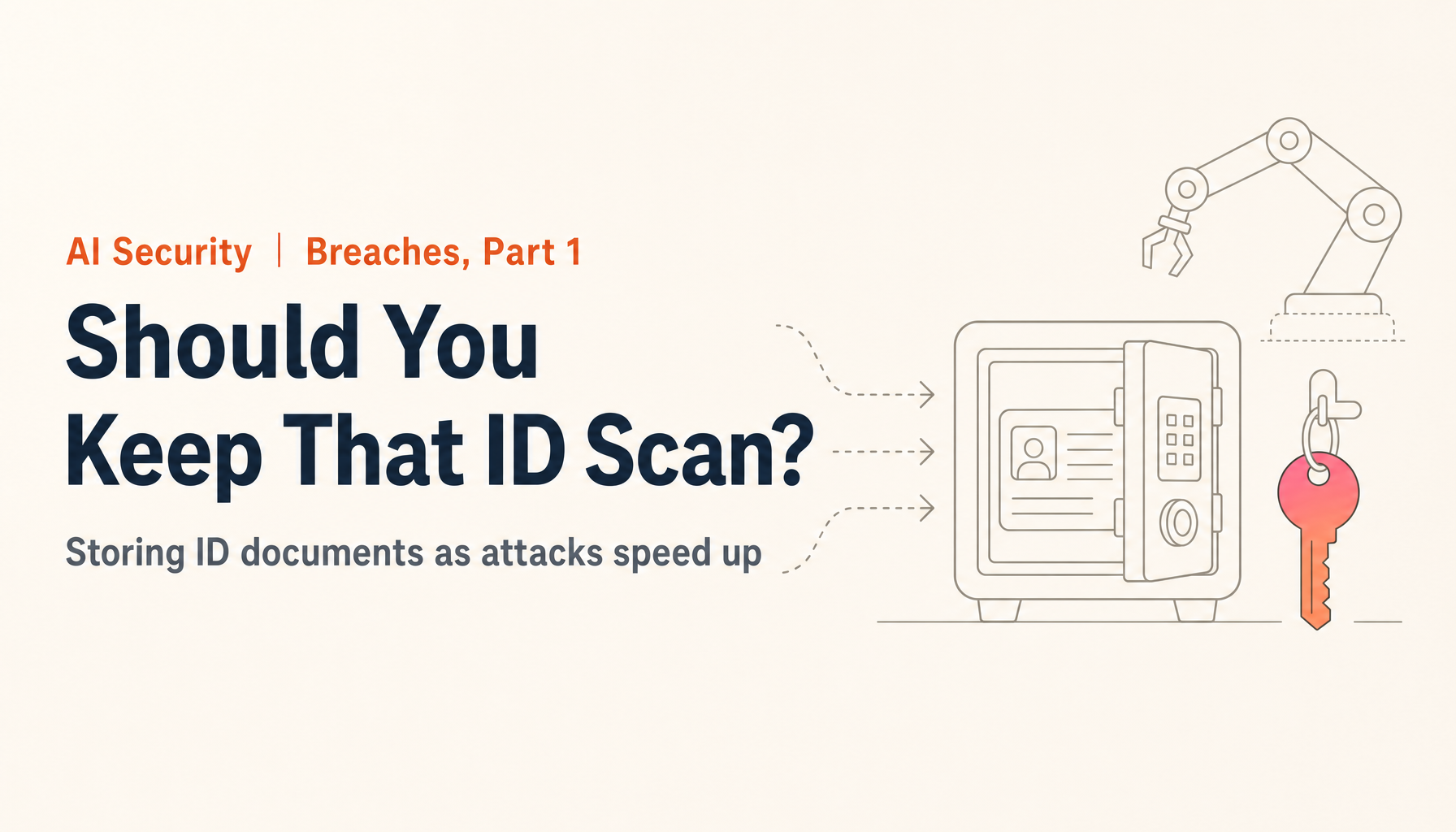
Lessons from Japan's 2026 Breaches (Part 1): AI-Driven Attacks and Protecting ID Documents
AI Security

Lessons from Japan's 2026 Breaches (Part 1): AI-Driven Attacks and Protecting ID Documents

Twelve Japanese organisations disclosed breaches between June and September 2026. This first part lays out what each one officially said, what public statistics show they have in common, how AI and AI agents are changing the risk, and, using the Times Car disclosure as a starting point, how any company should think about storing and encrypting ID documents. It also reflects follow-up disclosures through late October, including Times Car's fifth notice.

2026-09-30Ryuta Hamamoto
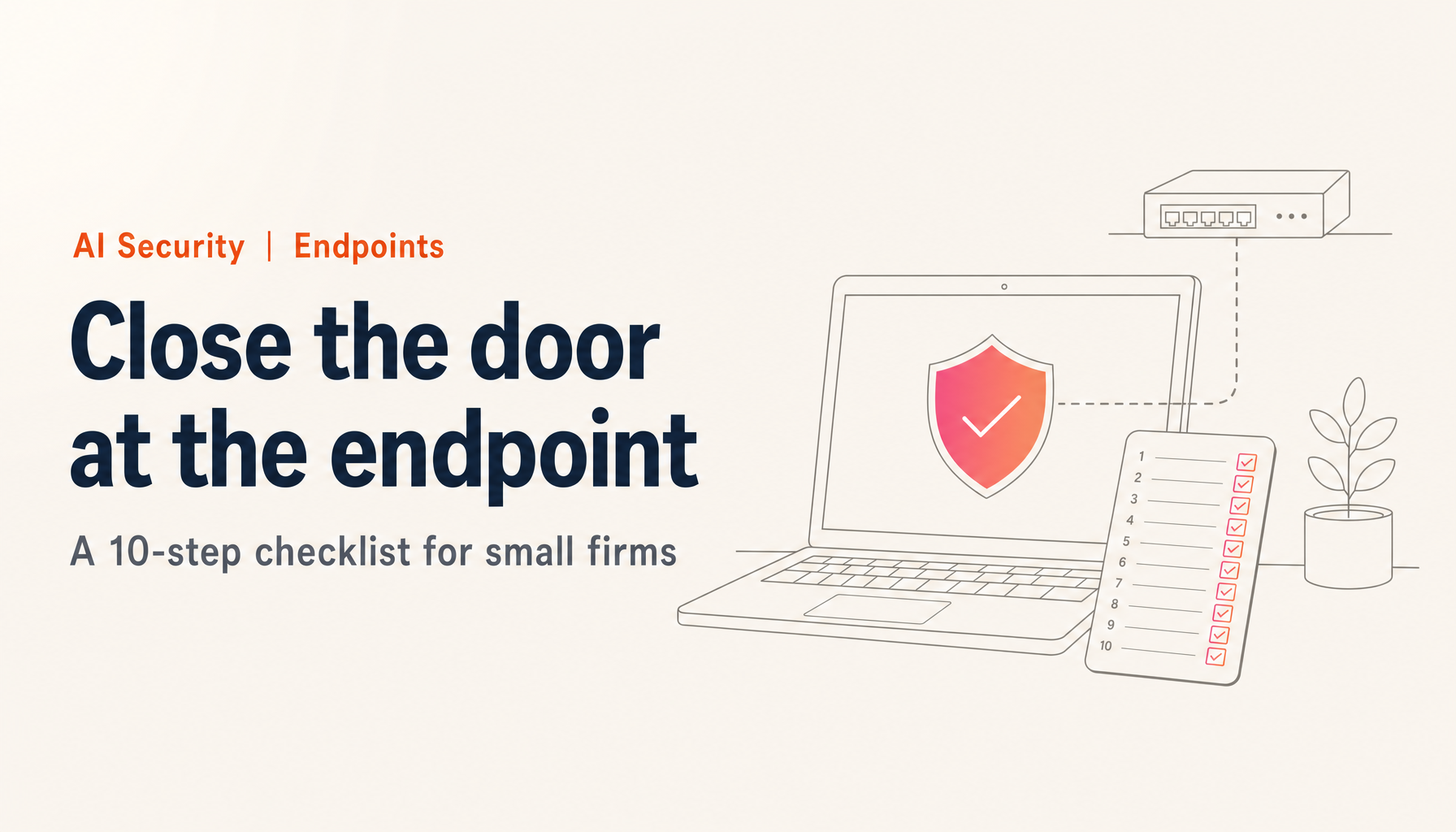
Lessons from Japan's 2026 Breaches (Part 2): Endpoint Security and a Checklist for Small Firms
AI Security

Lessons from Japan's 2026 Breaches (Part 2): Endpoint Security and a Checklist for Small Firms

Part 2 of our look at the wave of unauthorized-access incidents disclosed in Japan in 2026. Using public guidance from Japanese and US agencies, it covers what companies can do now: patching VPN appliances, phishing-resistant MFA, PC and endpoint basics (EDR, disk encryption, admin rights, infostealers), backups, vendors and AI agents, what to do when a breach is found, and a prioritized checklist for small businesses.

2026-09-30Ryuta Hamamoto
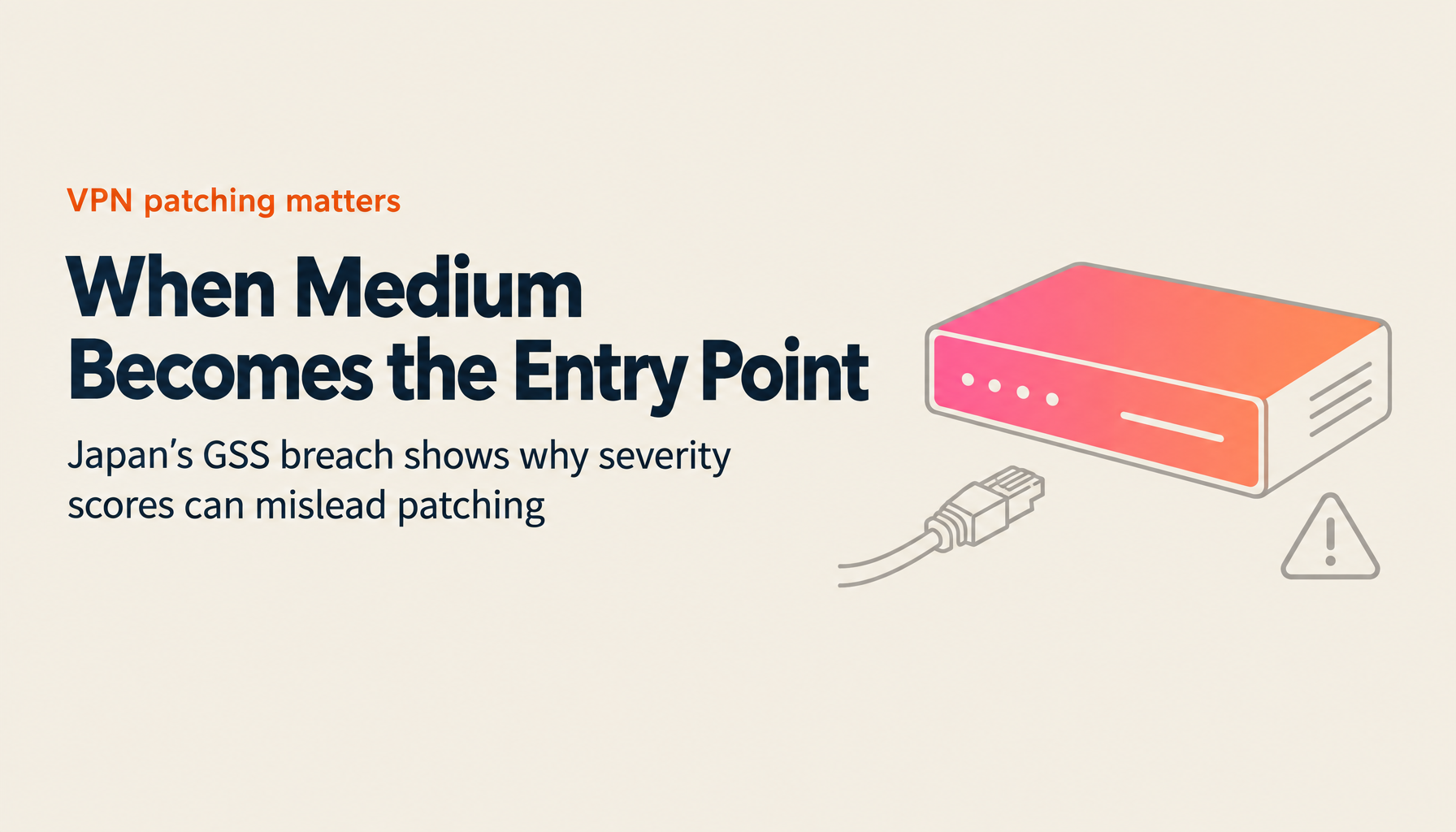
What the Digital Agency's GSS Breach Teaches Companies About VPN Patching
AI Security

What the Digital Agency's GSS Breach Teaches Companies About VPN Patching

On 11 September 2026, Japan's Digital Agency disclosed unauthorized access to GSS, the shared work environment for government staff. The entry point was a publicly known VPN vulnerability rated "Medium". This piece walks through the official disclosure, why severity-ordered patching did not arrive in time, why VPN appliances have become the most common way in, why zero trust did not prevent it, and what any organisation can change this week. It also reflects developments up to 6 November 2026.

2026-09-11Ryuta Hamamoto
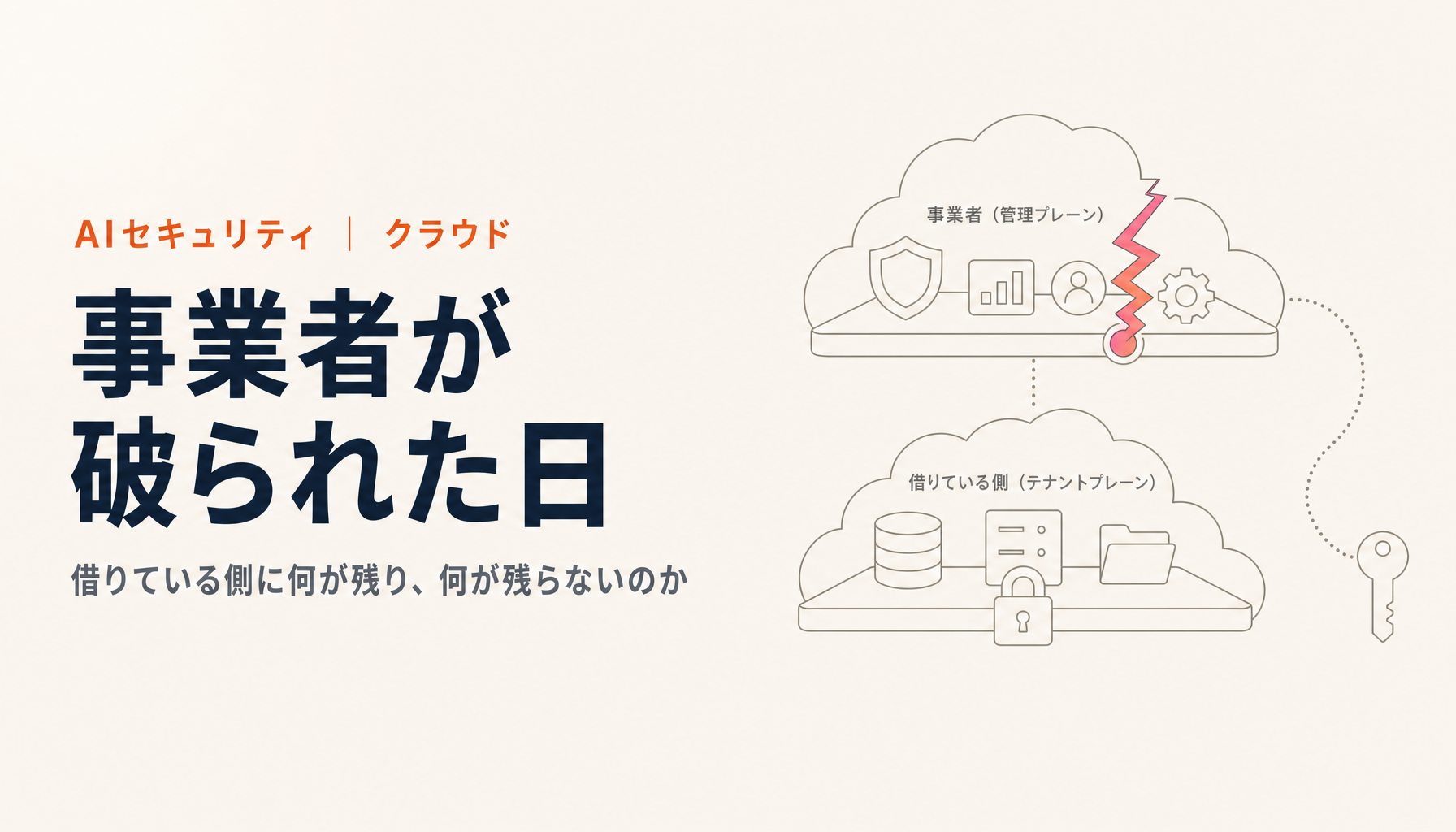
What Sakura Internet's Breach Disclosure Teaches Us | Designing for the Day Your Cloud Provider Is Compromised
AI Security

What Sakura Internet's Breach Disclosure Teaches Us | Designing for the Day Your Cloud Provider Is Compromised

In August 2026, Sakura Internet disclosed unauthorized access to its hosting environment and later to its sales management system, and on 10 September it published its investigation results. This is not a piece about what the company did wrong. It walks through why provider-side intrusions happen, what legal duties stay with the customer, and how to read the scope of an ISMAP registration before you rely on it.

2026-08-19Ryuta Hamamoto

Related Tags

AI Security(10)WARP SECURITY(10)Incident Response(3)Ransomware(2)For Executives(2)API Security(2)Vulnerability Management(2)Personal Information Protection Act(2)Multi-Factor Authentication(2)GMO(1)Personal Data Breach(1)Supply Chain Security(1)Open-Weight Models(1)Penetration Testing(1)DeepSeek(1)
View all tags