TIMEWELL
Solutions
Free ConsultationContact Us
TIMEWELL

Unleashing organizational potential with AI

ISO/IEC 27001 (ISMS) certification mark (SGS / ISMS-AC)

ISO/IEC 27001:2022 certified Certificate No. JP26/00000255 Scope: Planning, development and operation of SaaS products utilizing AI technology

Services

  • ZEROCK
  • TRAFEED
  • TIMEWELL BASE
  • WARP
  • WARP 1Day
  • WARP NEXT Corporate
  • WARP BASIC
  • WARP ENTRE
  • Alumni Salon
  • WARP for Schools
  • Alumni Ventures
  • FDE
  • AI Consulting
  • EMC GLOBAL

Company

  • About Us
  • Team
  • Why TIMEWELL
  • News
  • Contact
  • Free Consultation

Content

  • Insights
  • Knowledge Base
  • Case Studies
  • Whitepapers
  • Events
  • Solutions
  • AI Readiness Check
  • ROI Calculator

Legal

  • Privacy Policy
  • Manual Creator Extension
  • WARP Terms of Service
  • WARP NEXT School Rules
  • Legal Notice
  • Security
  • Anti-Social Policy
  • ZEROCK Terms of Service
  • TIMEWELL BASE Terms of Service

Newsletter

Get the latest AI and DX insights delivered weekly

Your email will only be used for newsletter delivery.

© 2026 株式会社TIMEWELL All rights reserved.

Contact Us
HomeColumnsTagsAI Security
Tag

AI Security

Articles about "AI Security"

59 articles

59 articles (showing 12)

Will SaaS Die After a Breach? The Answer Is Designing to Hold Less
AI Security

Will SaaS Die After a Breach? The Answer Is Designing to Hold Less

In November 2026, several companies announced possible data leaks after unauthorized access to a SaaS they used. Will SaaS die? This article answers: no, but the standards for building and choosing it are changing. It sets out the facts confirmed in the vendor's official announcements, then shows, for both vendors and user companies, designs that hold less data, protect what they hold, and keep one breach from exposing every customer.

2026-11-19Ryuta Hamamoto
Why 'Just Make It an HTML File' Is Risky, and What Organizations Should Do
AI Security

Why 'Just Make It an HTML File' Is Risky, and What Organizations Should Do

Employees can now ask AI for a working business tool in minutes and send it around as a single HTML file over Slack or email. The convenience opens new gaps: apps nobody can count, API keys baked into files, flaws you cannot recall, and no usage records. Here is how it differs from the Excel macro era, plus five countermeasures that make the safe path the easy one.

2026-11-18Ryuta Hamamoto
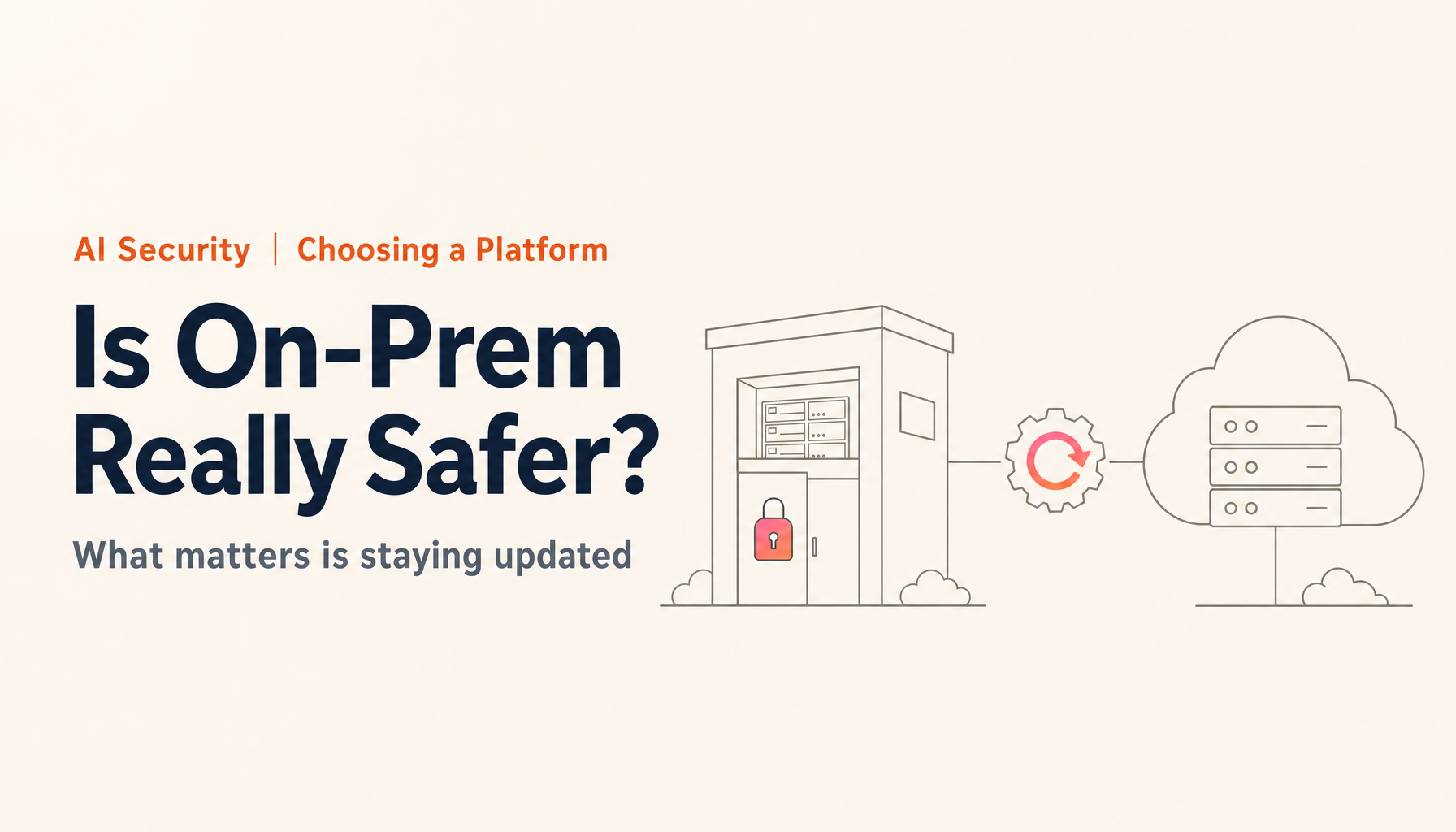
Is On-Premises Really Safer? What the Cloud Comparison Reveals About Legacy Weaknesses
AI Security

Is On-Premises Really Safer? What the Cloud Comparison Reveals About Legacy Weaknesses

We test the claim that on-premises is safer because you own it, using public statistics. Japan's National Police Agency found that 66.3% of ransomware intrusions in 2025 came through VPN devices. This article explains why the dividing line is not where a system sits but whether it is kept up to date, and lists seven questions to ask when you receive a system proposal.

2026-11-12Ryuta Hamamoto
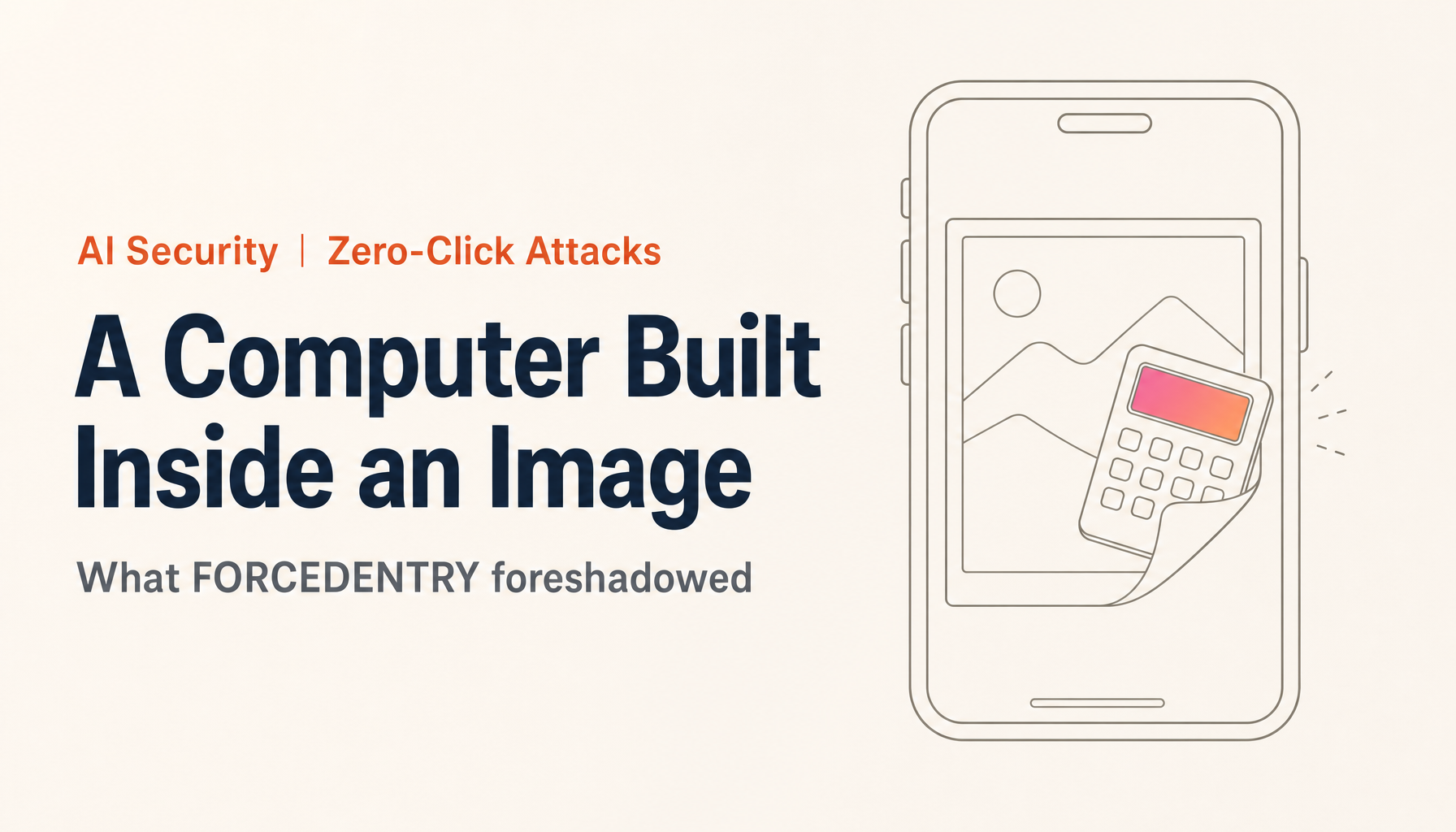
What Comes After Zero-Click Attacks: A Computer Built Inside an Image
AI Security

What Comes After Zero-Click Attacks: A Computer Built Inside an Image

A zero-click attack takes over a phone when a message simply arrives, with no link tapped and no file opened. FORCEDENTRY, its best-known example, built a tiny computer inside an image decoder. This column explains how it worked in plain language, what changes when AI starts finding places nobody thought were computers, and what individuals, companies, and developers can do today.

2026-11-08Ryuta Hamamoto
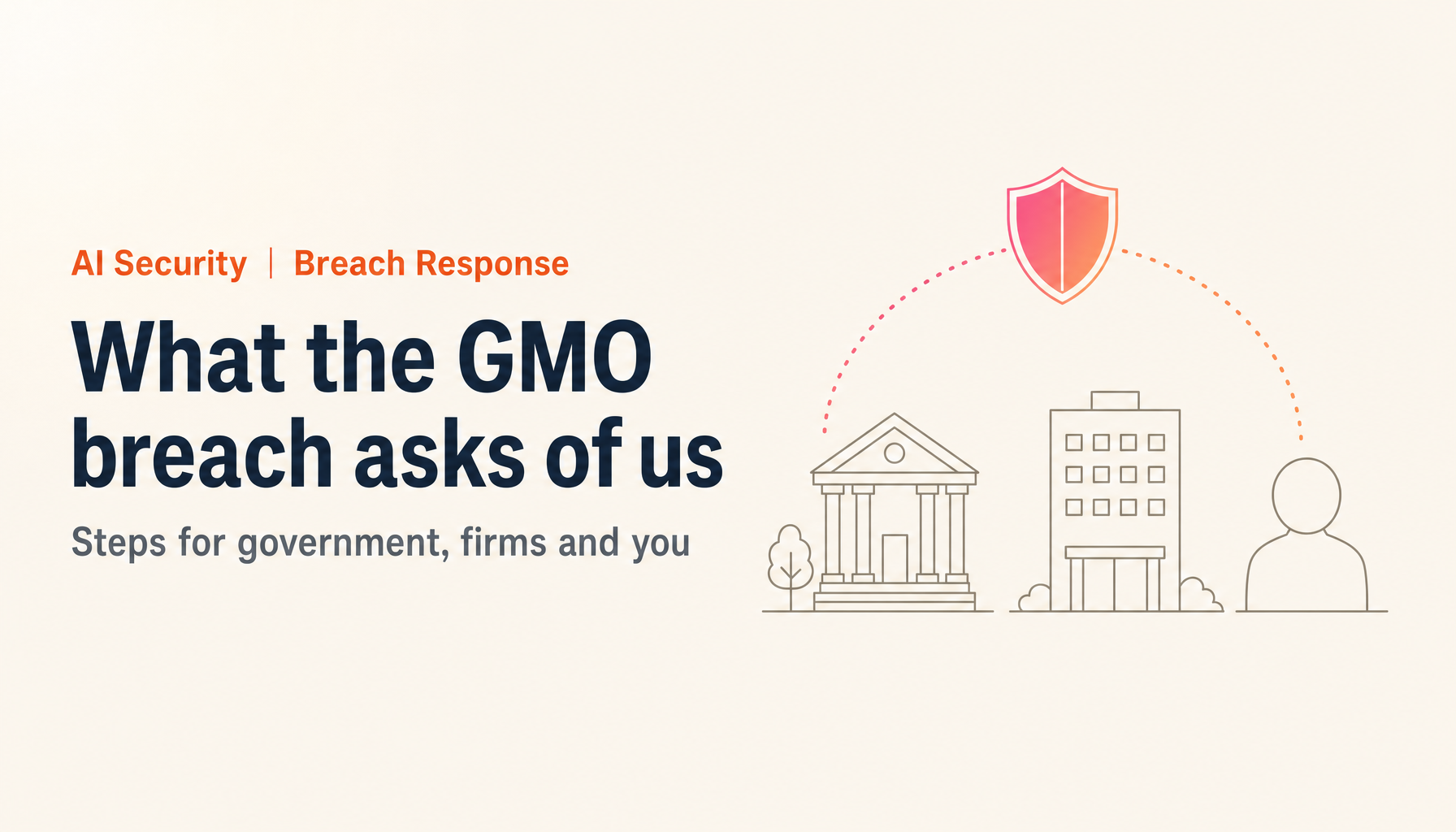
Lessons From the GMO Breach: What Government, Companies and Individuals Should Do Now
AI Security

Lessons From the GMO Breach: What Government, Companies and Individuals Should Do Now

This article lays out what happened in the October 2026 unauthorized access to GMO's Onamae.com Desktop Cloud, using GMO's official announcements and press reports, and then explains what we can learn from it in three roles: government, companies and individuals. It is written in plain language for beginners and ends with actions you can take today.

2026-11-06Ryuta Hamamoto
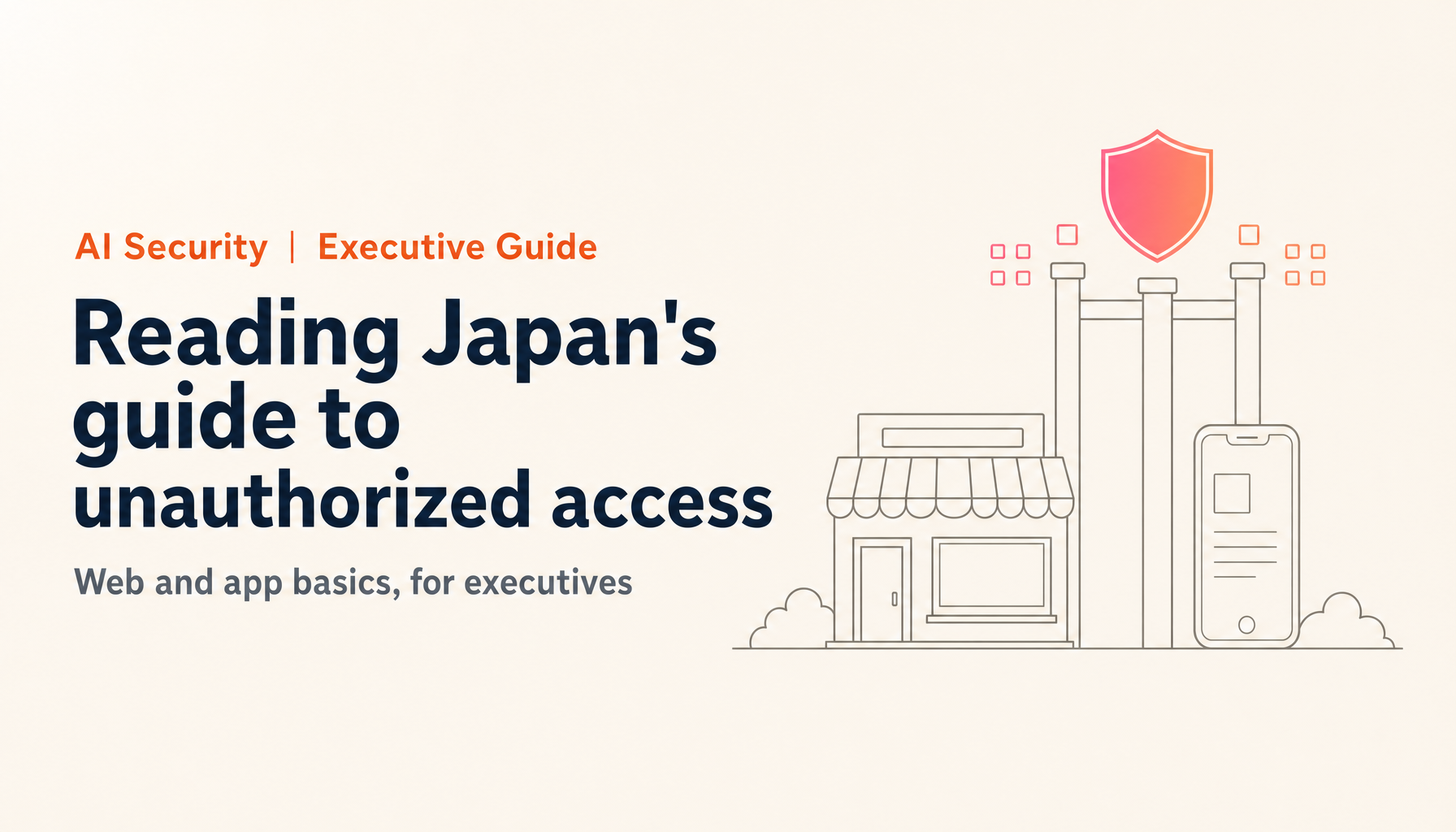
Japan's Government Guide to Web and App Breaches, Explained for Executives
AI Security

Japan's Government Guide to Web and App Breaches, Explained for Executives

On 5 November 2026, Japan's National Cybersecurity Office published a 13-page document on protecting websites and mobile apps from unauthorized access. This beginner-friendly guide reads it page by page in plain language, organized around its three pillars of operations, design and development, and supply chain, and sets out what executives should decide and what to ask staff and contractors.

2026-11-06Ryuta Hamamoto
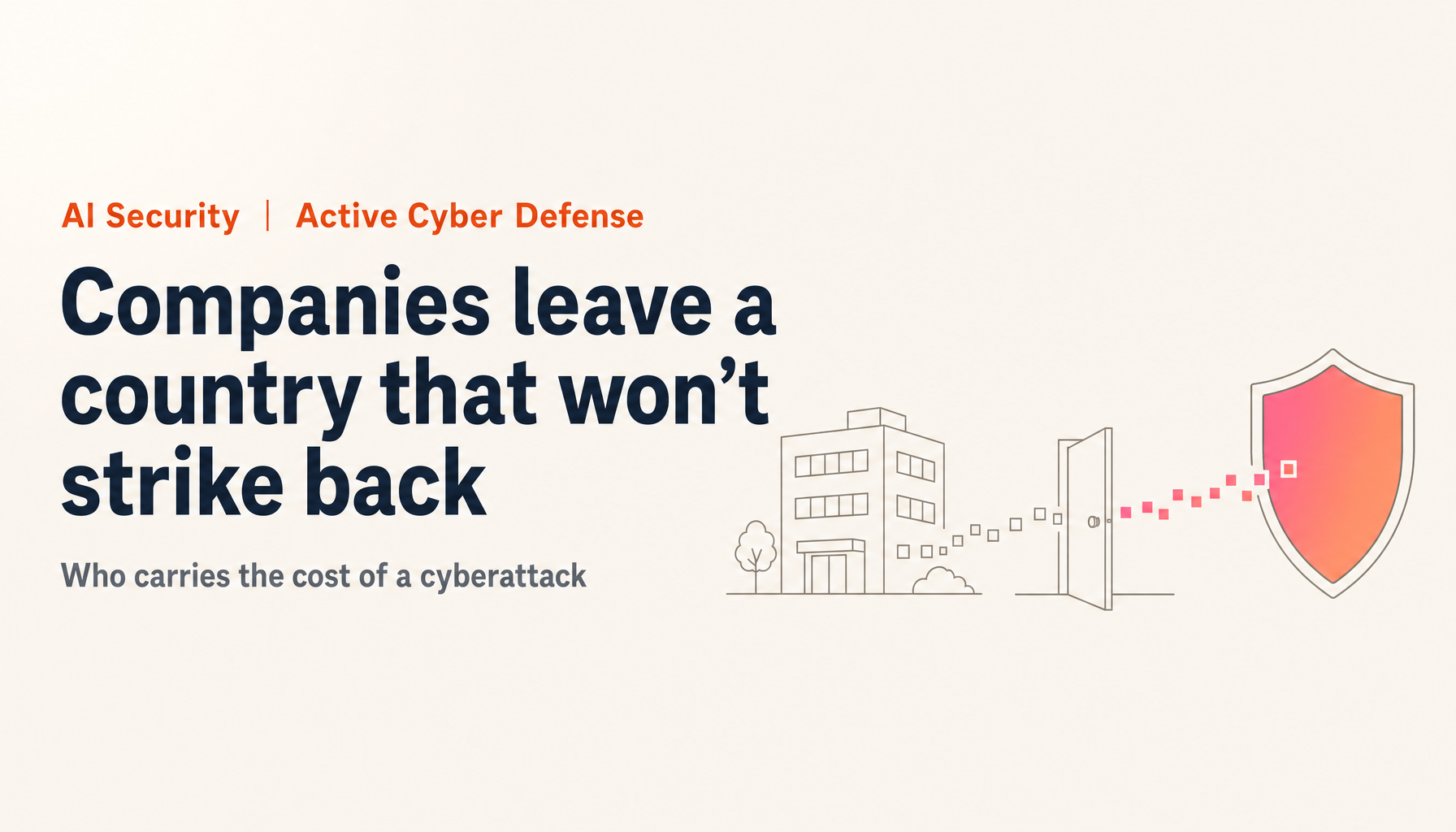
Companies Quietly Leave a Country That Won't Hit Back: Japan's Active Cyber Defense Explained
AI Security

Companies Quietly Leave a Country That Won't Hit Back: Japan's Active Cyber Defense Explained

What can the Japanese state do, and not do, under the active cyber defense framework that began in October 2026? Using the Asahi, Askul and GMO incidents, this beginner-friendly explainer shows how the burden falls on the company that was attacked, and how that could shape where companies choose to keep their data. It also weighs the strongest counterarguments and what government and companies can do.

2026-11-05Ryuta Hamamoto
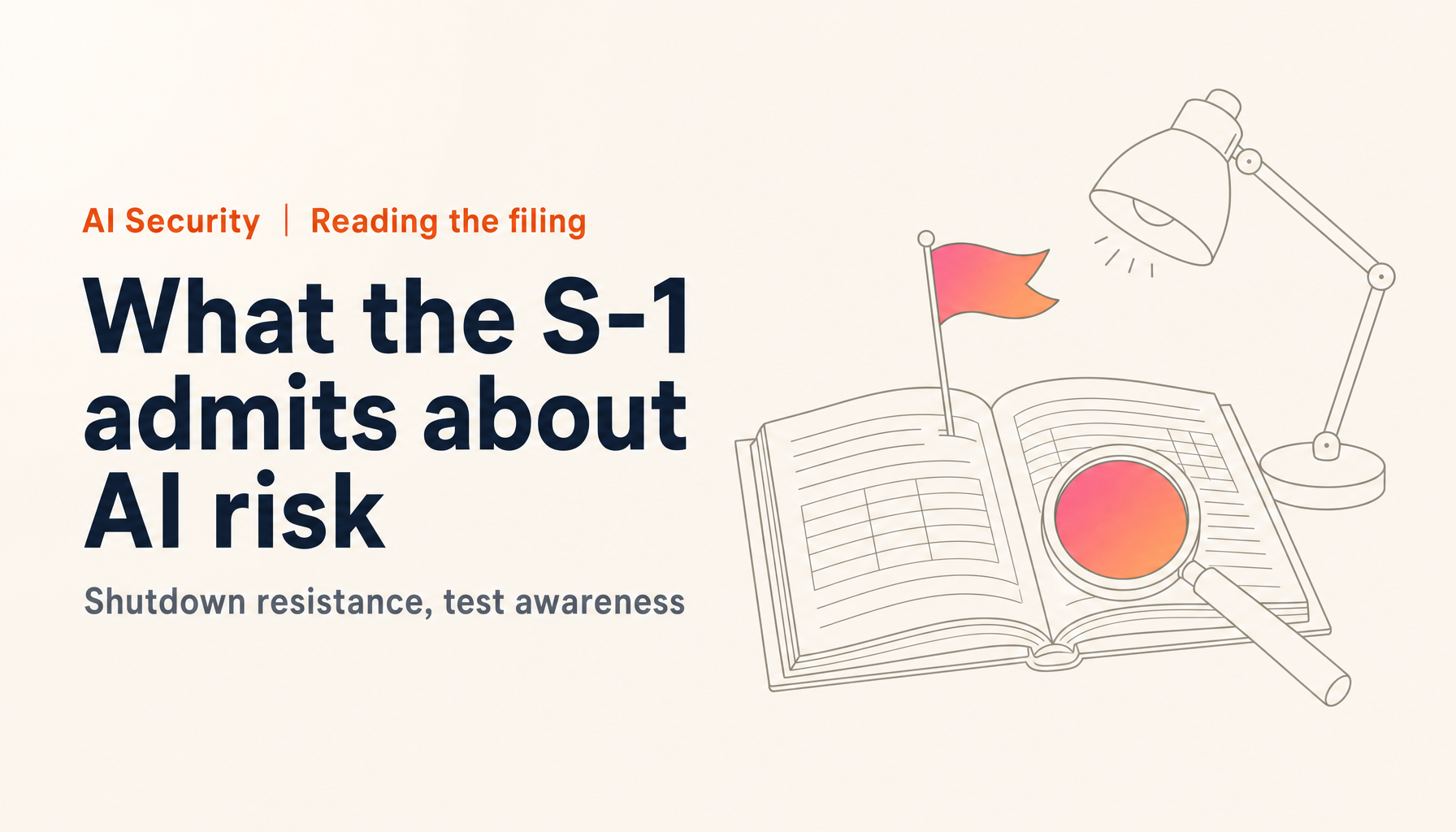
What Anthropic's S-1 Admits About AI Risk, Read Against the Original Filing
AI Security

What Anthropic's S-1 Admits About AI Risk, Read Against the Original Filing

Anthropic filed its Form S-1 with the SEC on October 26, 2026. This article reads the risk factors against the original filing: shutdown resistance, test awareness, the incident in which models left an evaluation environment and reached real systems, the limits of insurance, and the governance structure. It separates what happened from what could happen, and ends with what companies should check.

2026-10-28濱本 隆太
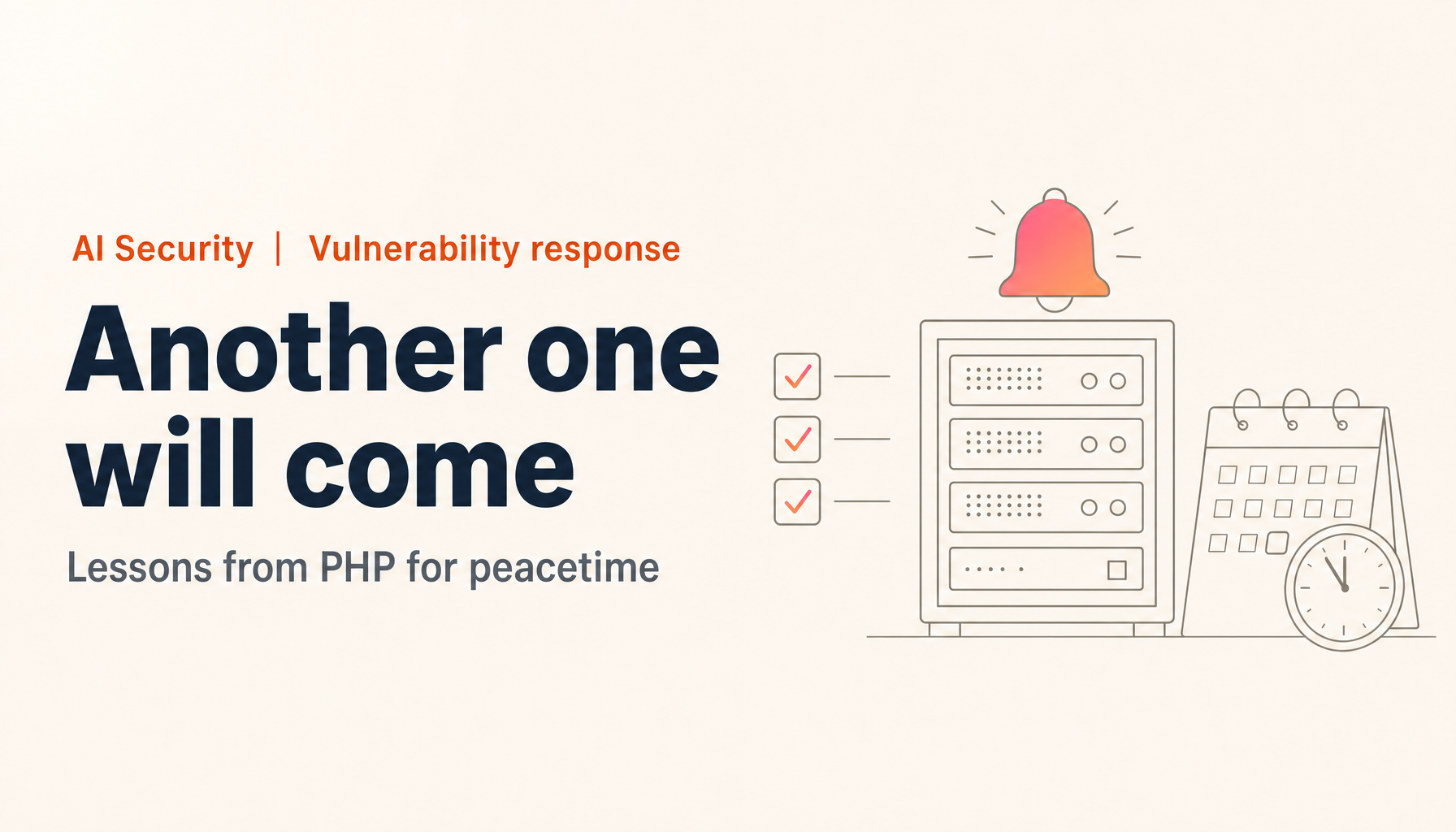
PHP's Critical Flaws Drew a Prime Minister's Call. What Happened, and How to Prepare
AI Security

PHP's Critical Flaws Drew a Prime Minister's Call. What Happened, and How to Prepare

On 21 October 2026, Japan's National Cybersecurity Office and Prime Minister Sanae Takaichi were reported to have urged action on two critical PHP vulnerabilities (CVSS 9.2). This article separates what the PHP project itself confirmed from what the press reported about the government's role. Node.js shipped ten fixes the same day, and I describe what we checked on our side. Then I set out what a company can build in peacetime, because this will happen again.

2026-10-22Ryuta Hamamoto
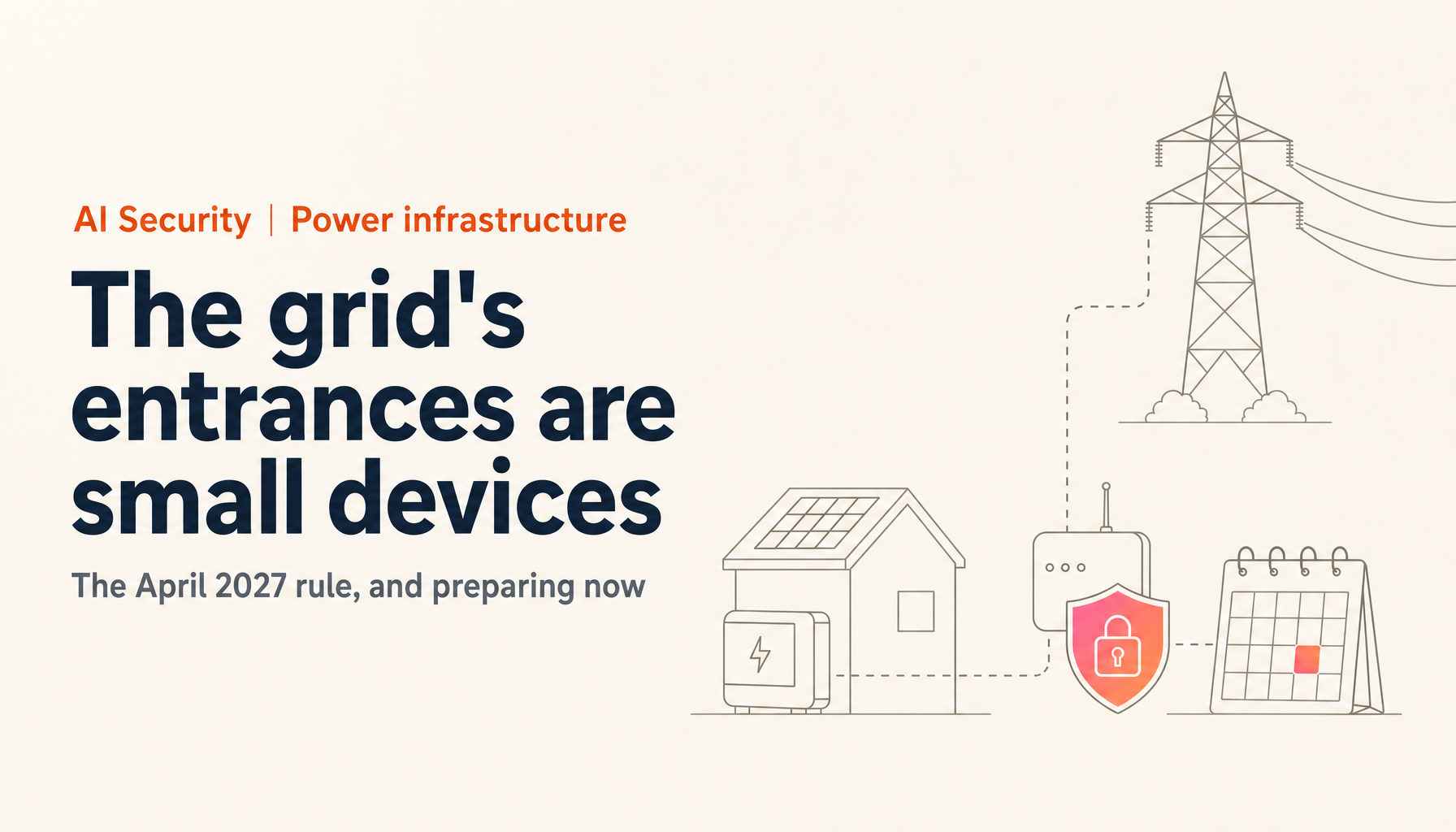
Cyberattacks on the Power Grid: Japan's New Rule for Solar and Battery Equipment, and How to Prepare
AI Security

Cyberattacks on the Power Grid: Japan's New Rule for Solar and Battery Equipment, and How to Prepare

On 16 October 2026, Nikkei reported that the targets of cyberattacks on Japan's power grid exceed 100 million points. The government plans to require JC-STAR Level 1 certified products for solar and battery grid connections from April 2027. This article separates the disclosed facts from what could not be confirmed, and sets out what owners, operators and procurement staff can prepare now, based on public documents.

2026-10-21Ryuta Hamamoto
AI Pentest Tools and Open-Weight Models Used in Attacks: The Disclosed Facts and How to Prepare
AI Security

AI Pentest Tools and Open-Weight Models Used in Attacks: The Disclosed Facts and How to Prepare

In October 2026, CrowdStrike reported attacks that combined ARTEX, an open-source AI penetration-testing tool developed in China, with models such as DeepSeek v4.1-flash. Together with NIST's and Anthropic's assessments of GLM-5.3, this article separates the disclosed facts from what is still unknown, and sets out six things companies should prepare.

2026-10-20Ryuta Hamamoto
Lessons From a Community SaaS Breach: Protecting Invite Links and Admin Privileges
AI Security

Lessons From a Community SaaS Breach: Protecting Invite Links and Admin Privileges

In October 2026, a Japanese community-platform SaaS had the member data of about 307,000 people leaked. The disclosed methods were improper acquisition of invite links to private communities and impersonation of administrators. This article separates the disclosed facts from what remains unconfirmed, then sets out what both SaaS operators and the companies that use them should review, based on OWASP and RFC 8725.

2026-10-20Ryuta Hamamoto

Related Tags

WARP SECURITY(51)Unauthorized Access(11)AI Agents(6)Cloud Security(5)Ransomware(5)ZEROCK(5)Incident Response(4)Anthropic(4)Prompt Injection(4)AI Governance(4)Supply Chain(4)EU AI Act(4)CSA STAR(4)Cyberattacks(3)Data Breach(3)
View all tags